NHEV Core Group
by EoDB
View Groups






All rights reserved.
EoDB is a privately held Special Purpose Entity; currently India’s premier emerging Tech-Piloting agency, contributing with its pilot projects in micro-level tech-economies across the states and sectors in the macro Techno-Economic Bharat vision of PM Shri Narendra Modi. Read more
EoDB Services has been extending Ease of Doing Business reforms with evidence-based tech pilot programs for private sectors since 2014. It’s focused exclusively on contributing to the vision of our Prime Minister Shri Narendra Modi, going on the ground beyond bureaucratic boundaries to deliver actual Ease of Doing Business at Grassroot levels through footprint ecosystem pilots for commercialization of emerging technologies like AI, IoT, Blockchain, Electric Mobility, HealthTech, Drones, Cloud Computing, 3D Printing, Robotics, Automation, Machine Learning, Geospatial, Big Data Centers, etc.
 11 June 202611 June 202611 June 2026
This section provides a brief overview of recent developments, announcements, and key progress related to initiatives and engagements undertaken by Ease of Doing Business (EoDB).
11
June 2026
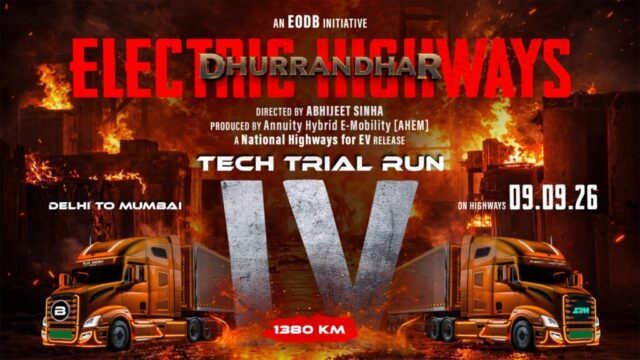
India’s transition to cleaner mobility has made significant strides in passenger vehicles, but the heavy-duty...
Read more11
June 2026

A tragic incident in Delhi has claimed the life of a biker after colliding with...
Read more11
June 2026
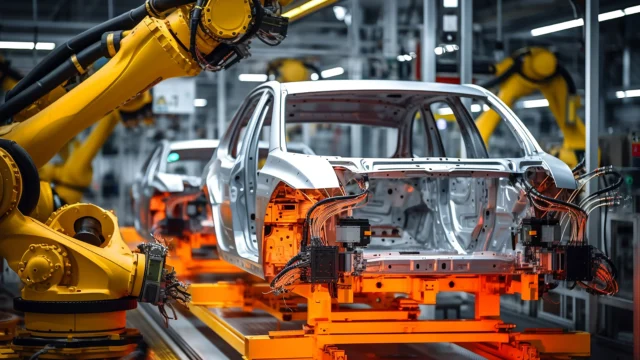
India’s automotive sector operates in a high-stakes global arena, balancing manufacturing ambitions with supply volatility,...
Read more11
June 2026
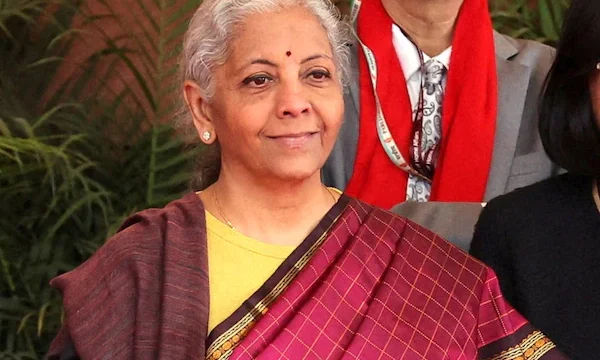
As FM Nirmala Sitharaman presents her ninth Union Budget, investors and industry look for clarity,...
Read more11
June 2026
Abhijeet Sinha, National Program Director of the National Highway for Electric Vehicles (EV), speaks to...
Read more11
June 2026

इंडिया एनर्जी वीक का दूसरा दिन ‘अर्ली इंफो अर्ली अलर्ट के लिए अहम शुरुआत’ ‘अलर्ट...
Read moreStay updated on EoDB’s upcoming forums, industry dialogues, strategic collaborations, and high-impact stakeholder engagements shaping the future of emerging technologies and sustainable infrastructure.
From closed-door roundtables and leadership summits to sector-focused working group meetings and ecosystem gatherings, each engagement serves as a platform for collaboration, knowledge exchange, and actionable progress — bringing together policymakers, industry leaders, innovators, and institutions to accelerate real-world implementation at scale.
09
Sep 2026
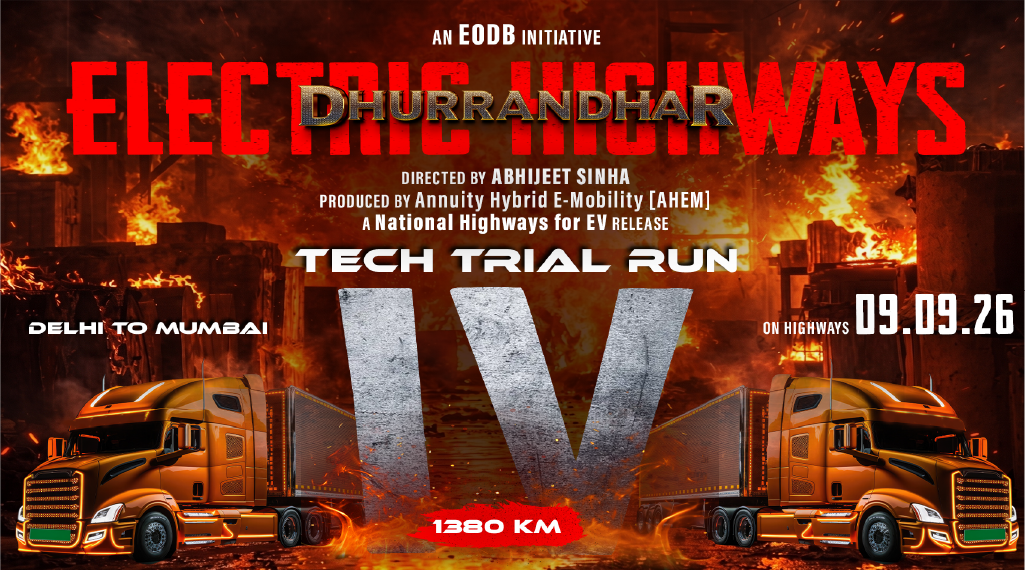
Electric Highways, an EoDB initiative, presents a National Highways for EV release featuring a Tech...
03
Jul 2026
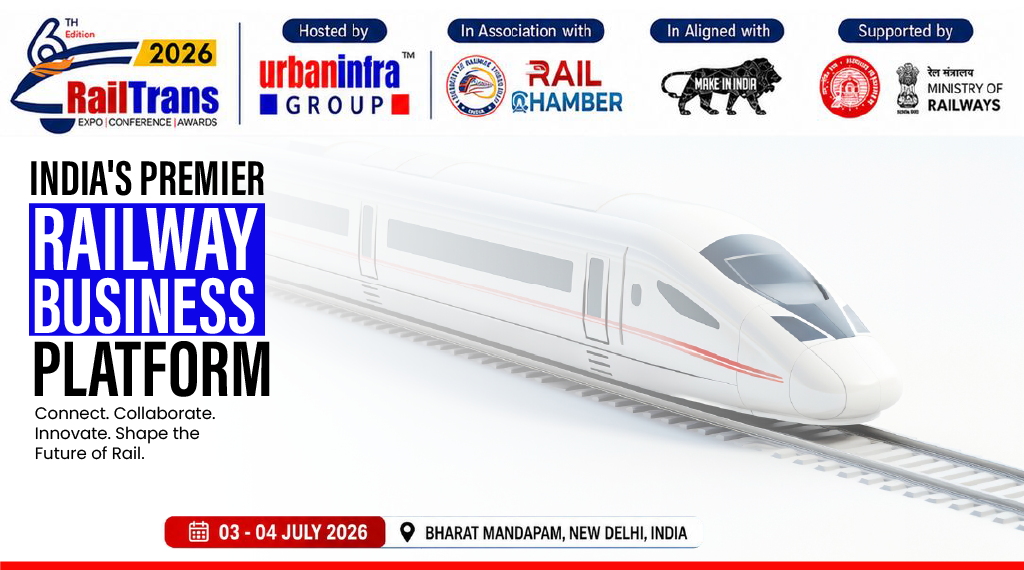
RailTrans Expo Conference Awards 2026 is India’s premier railway business platform bringing together policymakers, industry...
24
Jun 2026
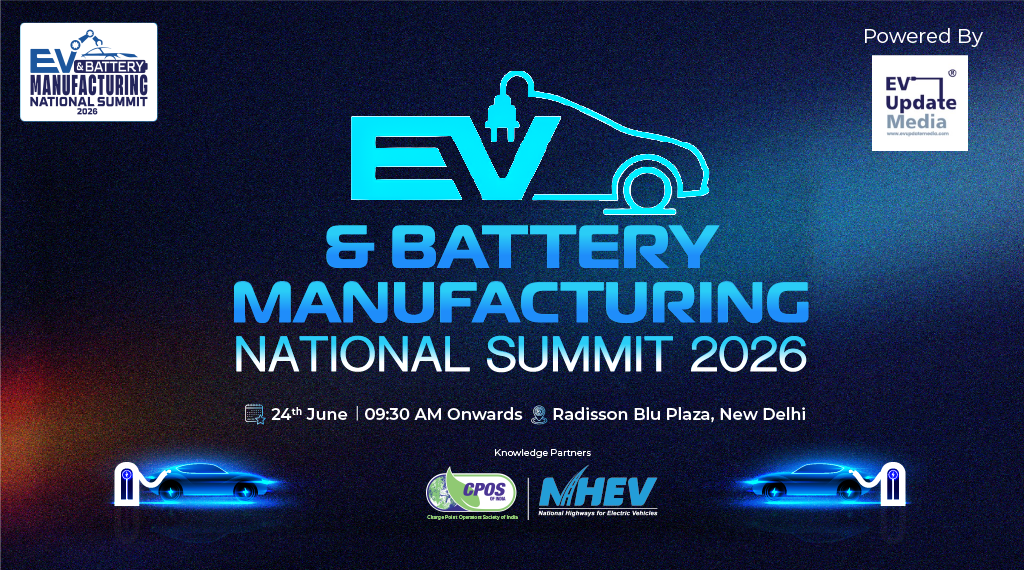
EV & Battery Manufacturing National Summit 2026 brings together EV ecosystem stakeholders, manufacturers, and technology...

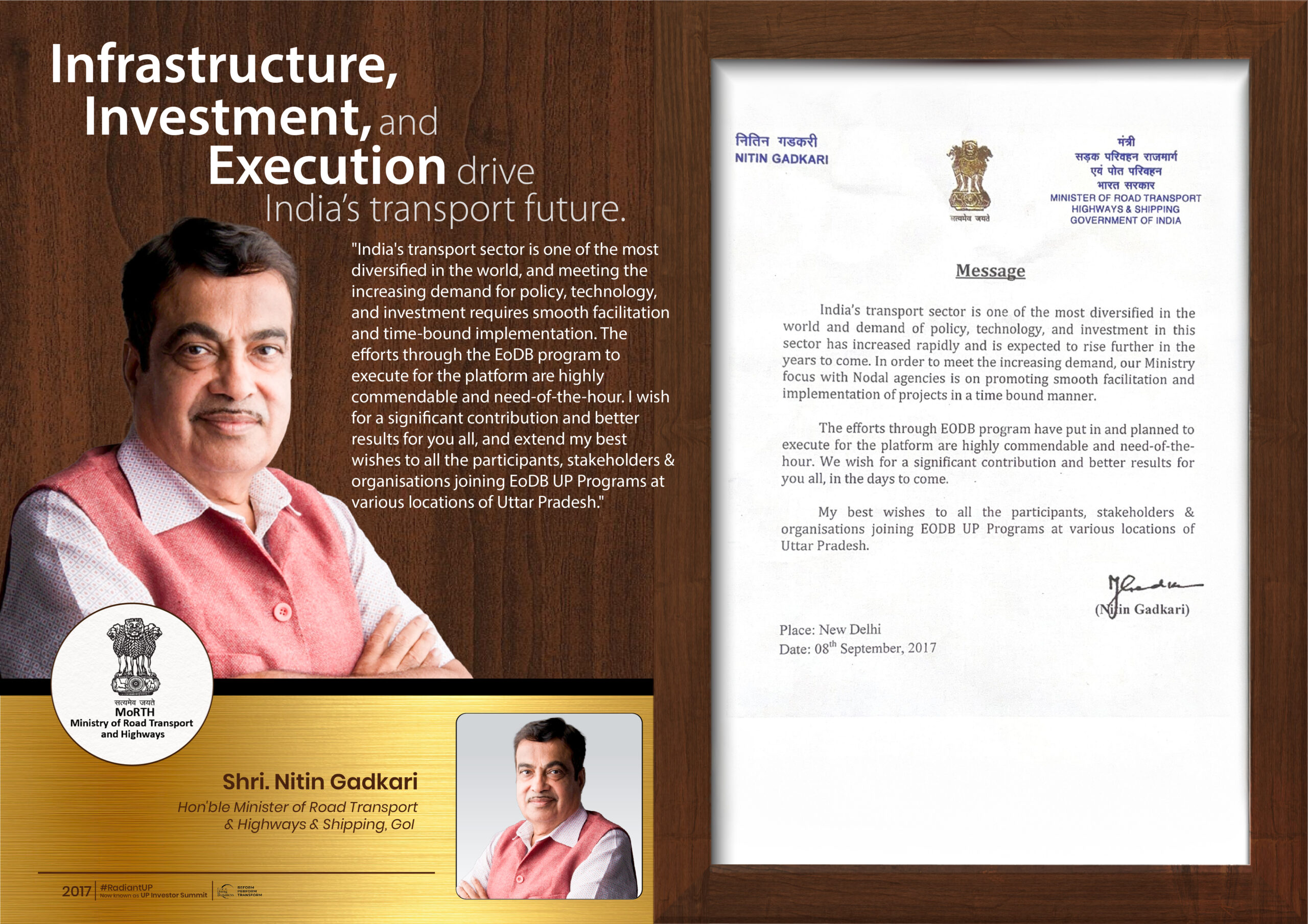

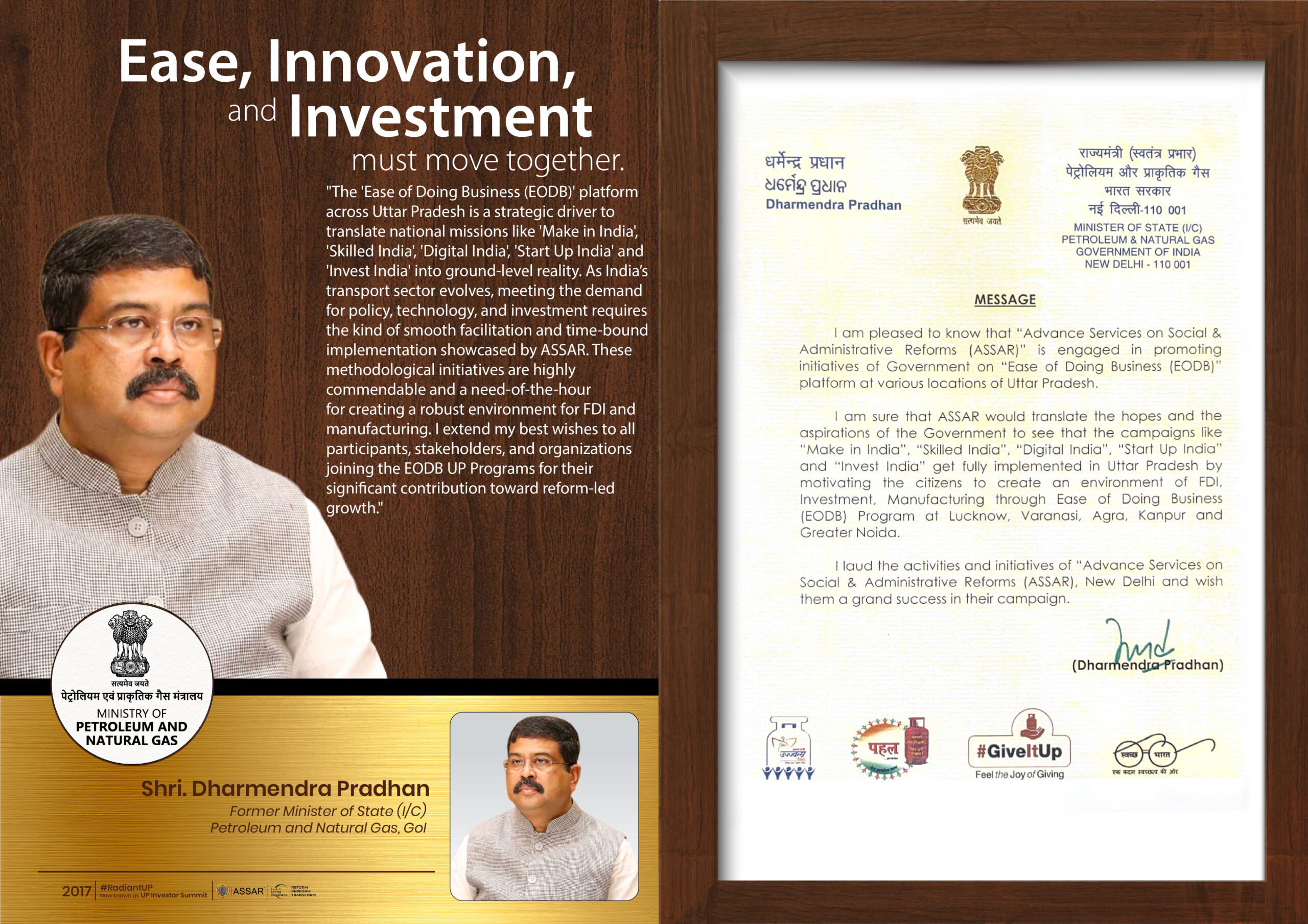

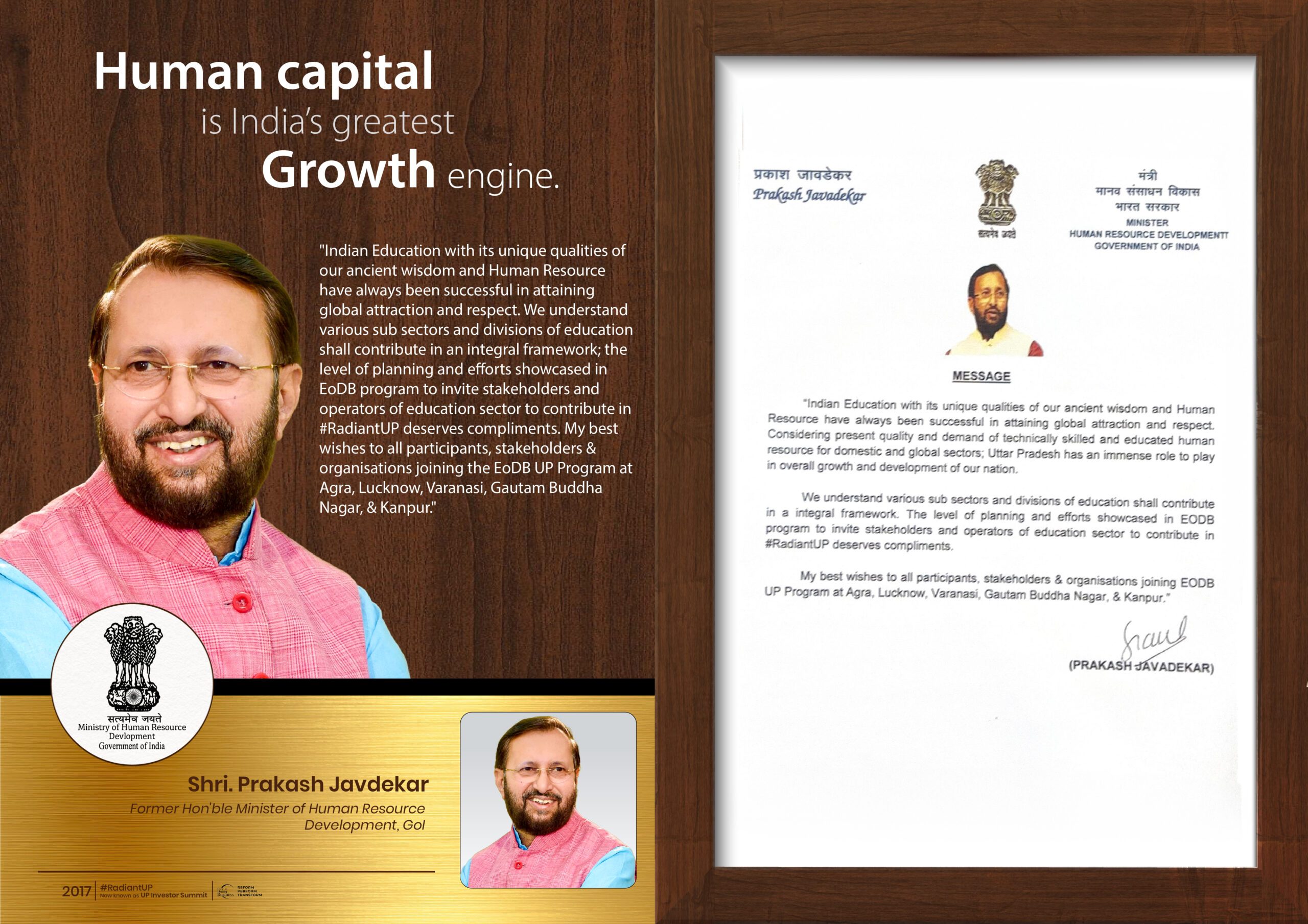
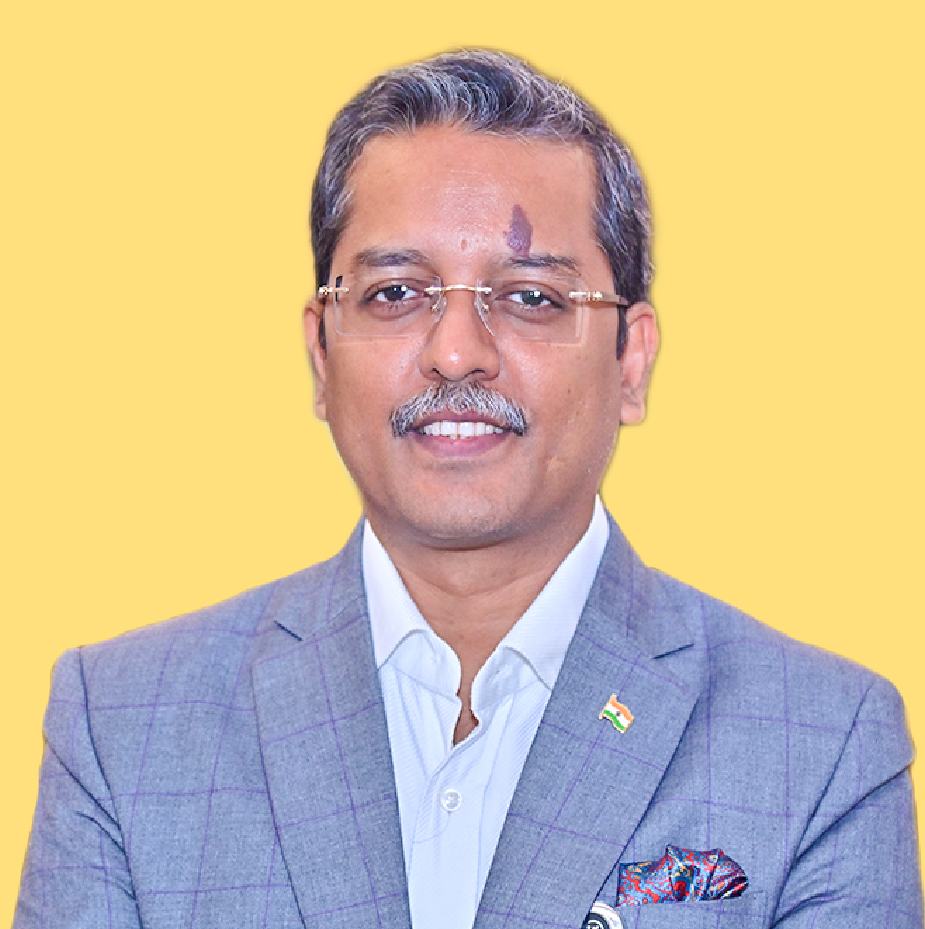
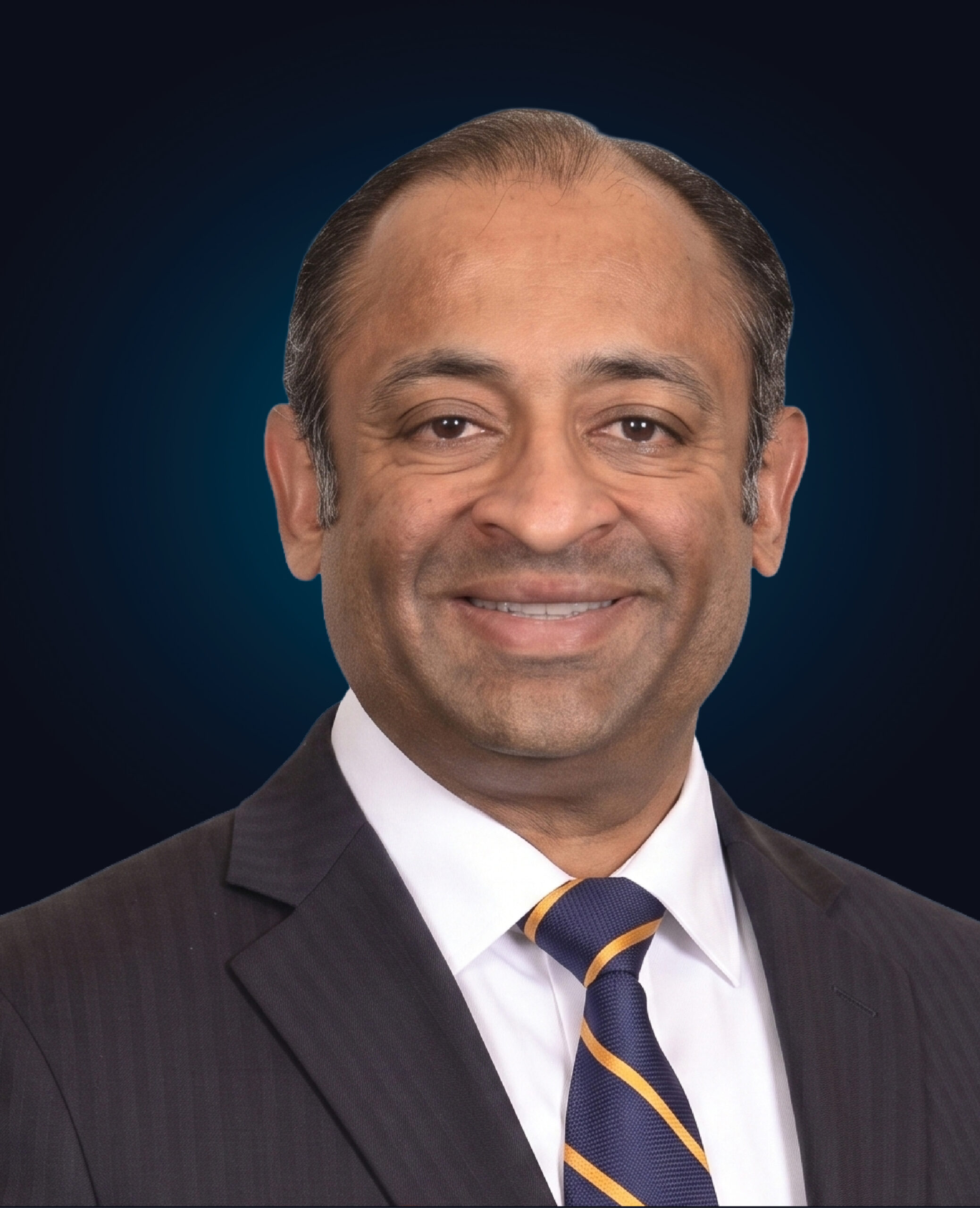
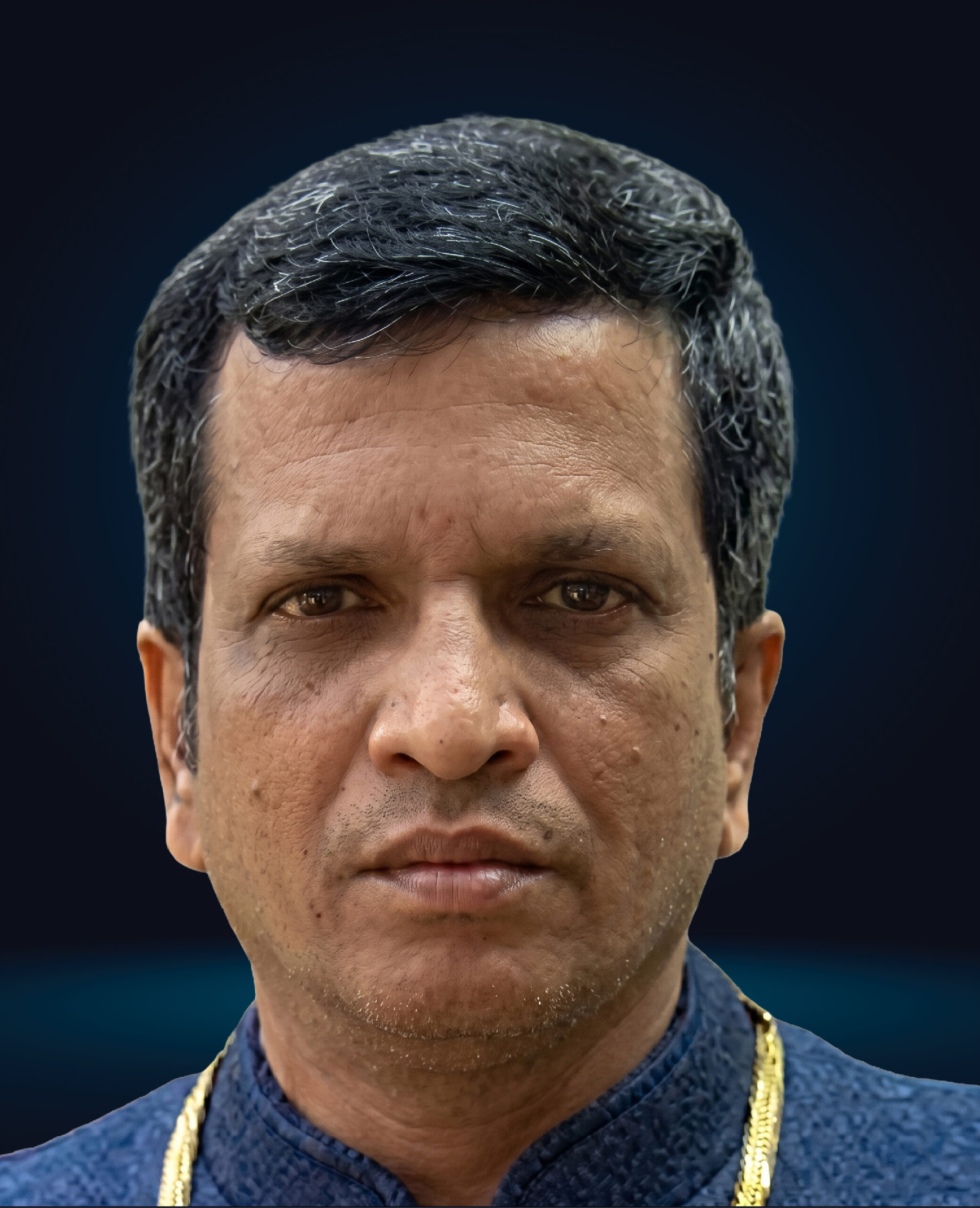
National Program Director – Ease of Doing Business
National Program Director – Ease of Doing Business

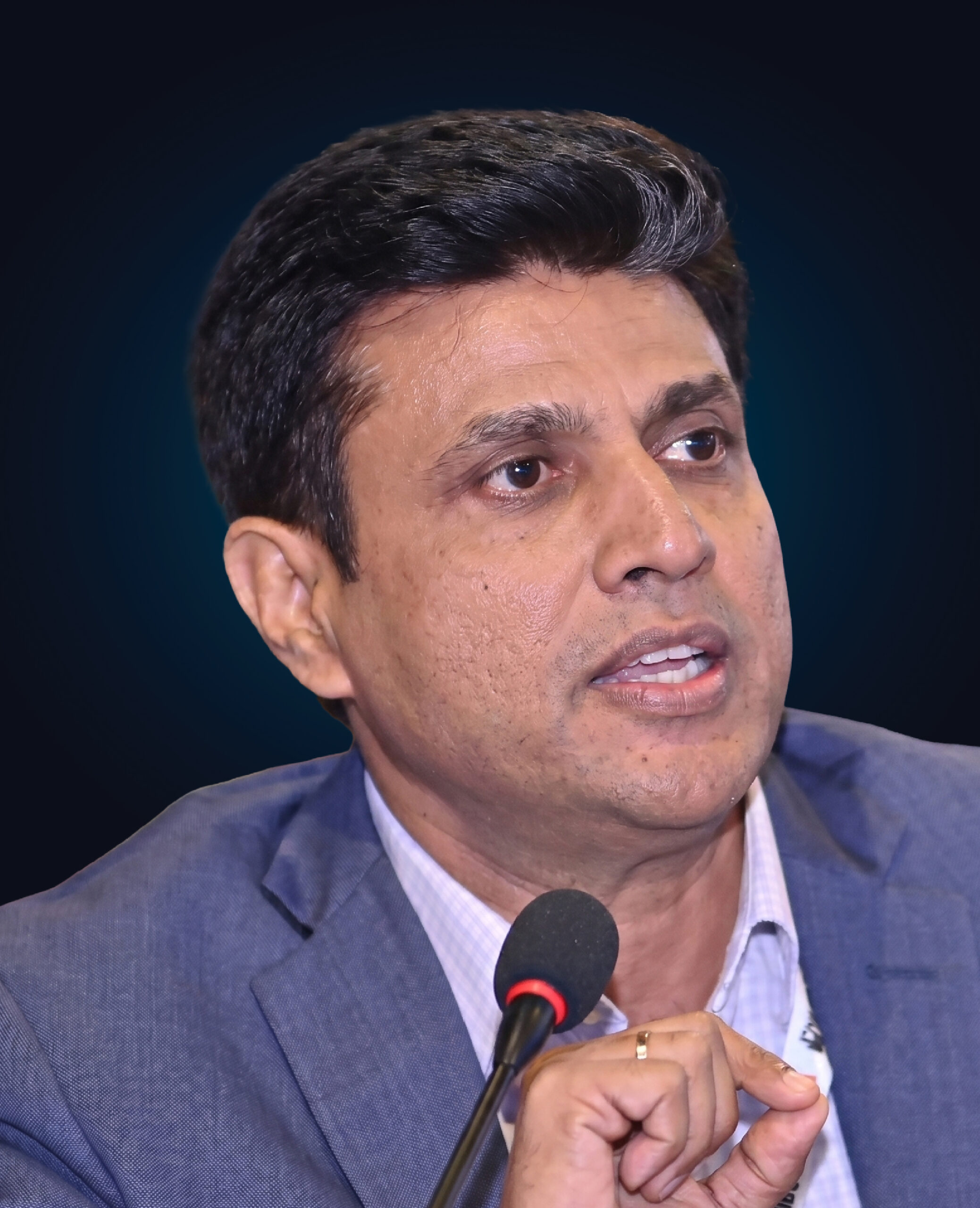
Executive Director – Ease of Doing Business
Executive Director – Ease of Doing Business

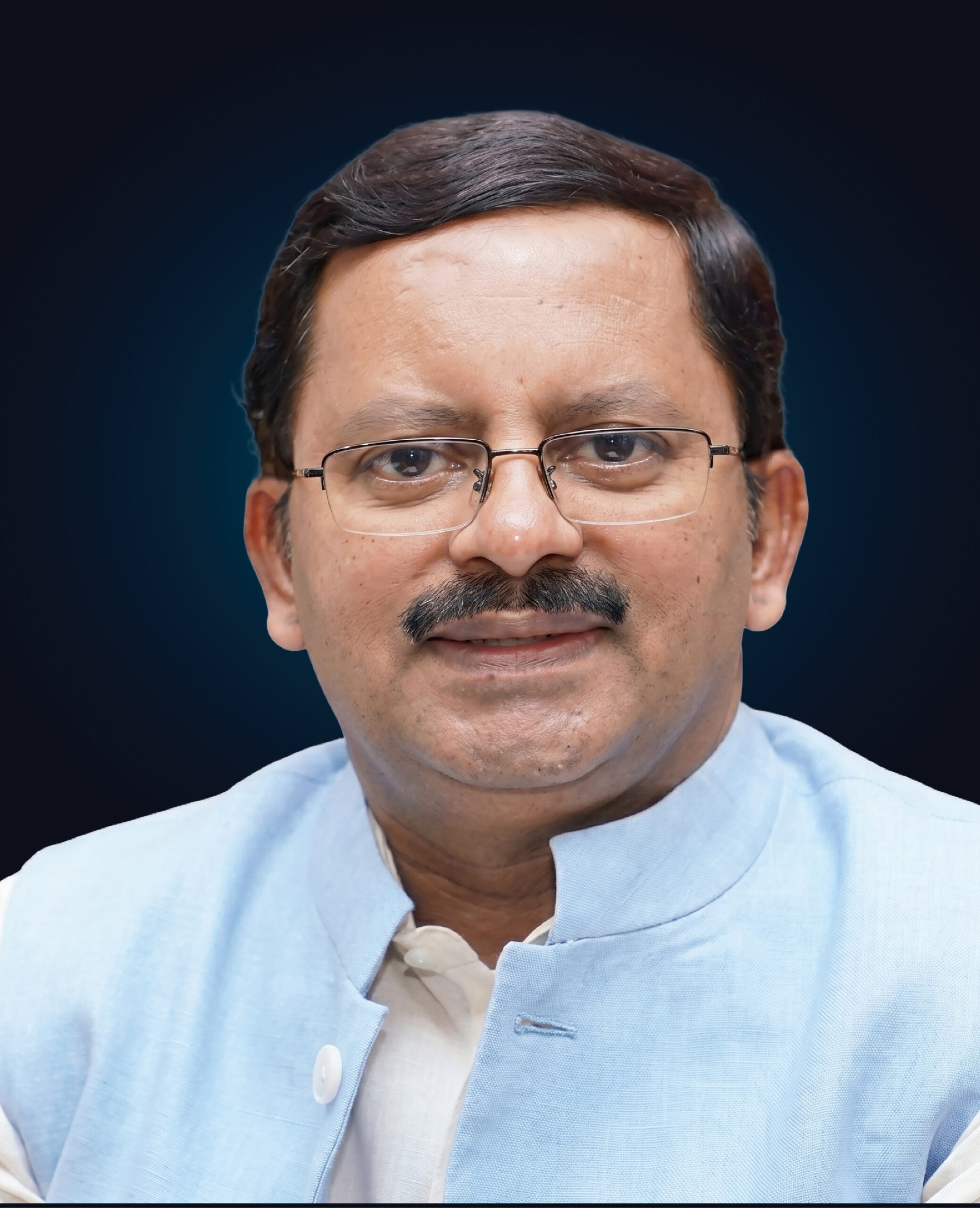
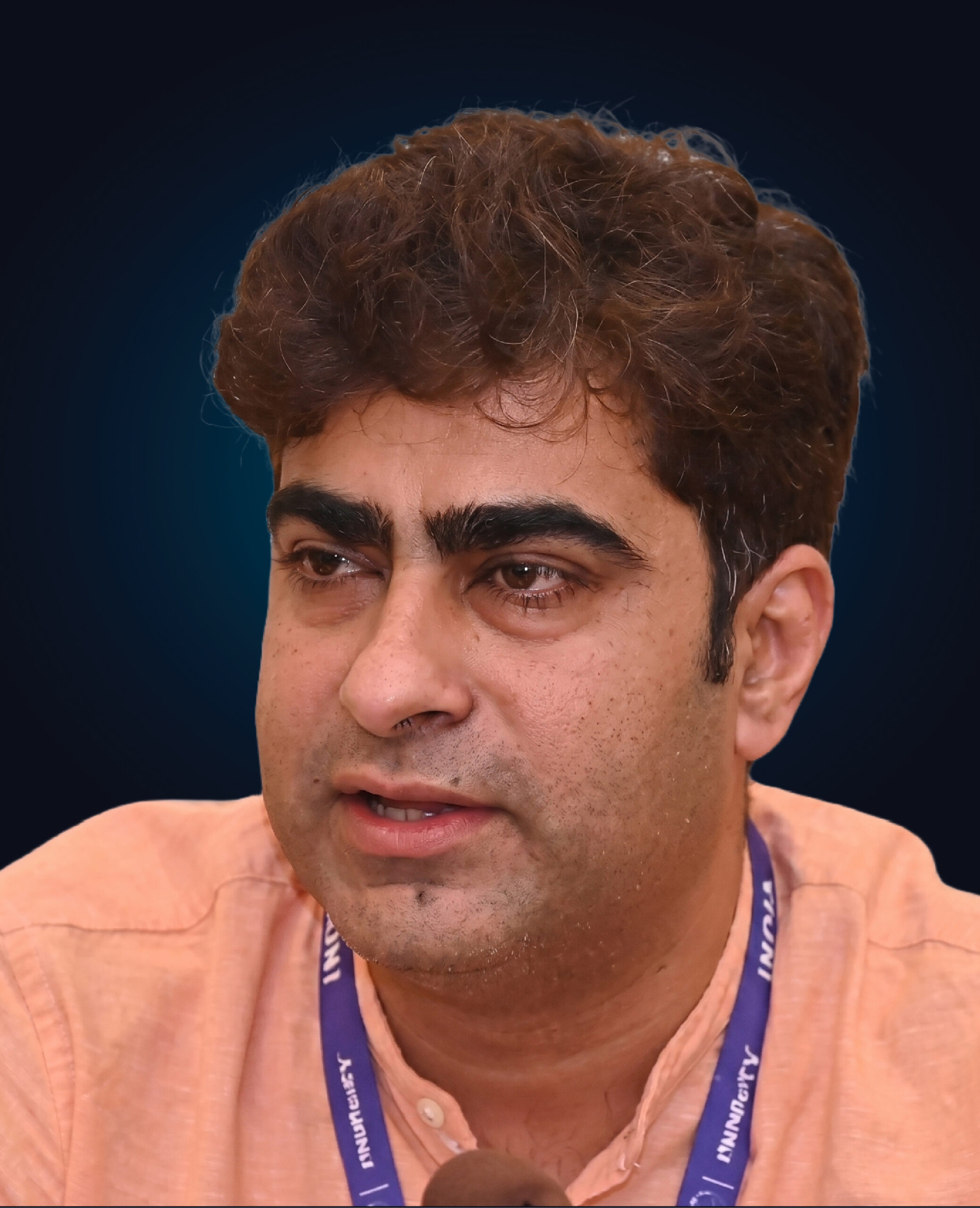
Project Director – NHEV Greenways
Project Director – NHEV Greenways

Chief of Staff – Ease of Doing Business
Chief of Staff – Ease of Doing Business

Video Producer – Ease of Doing Business
Video Producer – Ease of Doing Business

Motion Graphics & Video Editor – Ease of Doing Business
Motion Graphics & Video Editor – Ease of Doing Business

Accountant – Ease of Doing Business
Accountant – Ease of Doing Business

Relationship Manager – Ease of Doing Business
Relationship Manager – Ease of Doing Business
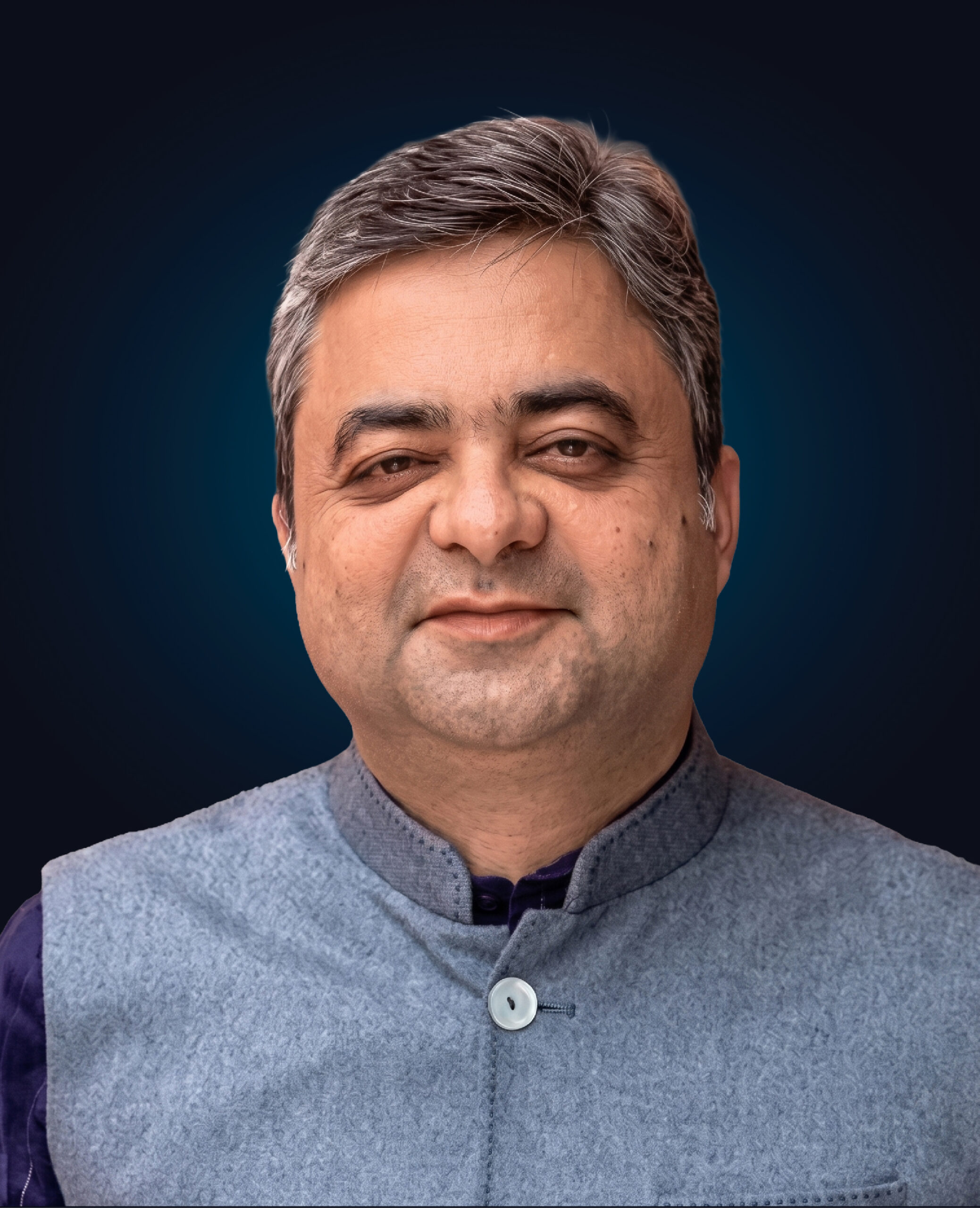
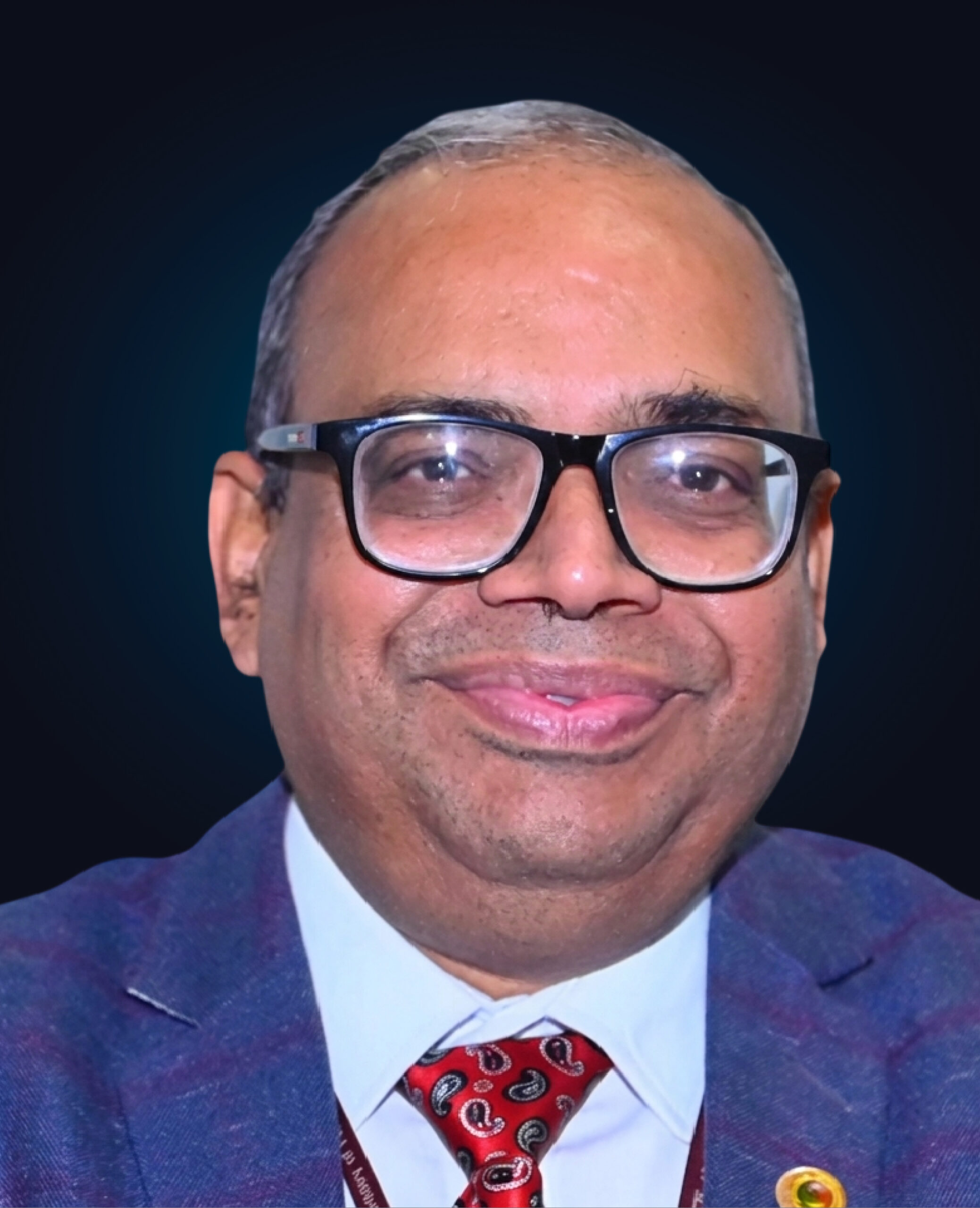
He is a seasoned technocrat and serves as the National Program Director, Ease of Doing Business, leading India’s emerging-technology piloting agency. His work focuses on enabling technology-driven, micro-level economic ecosystems across states and sectors, aligned with the broader techno-economic vision of Narendra Modi. He was a member of the Citizens for Accountable Governance (CAG) team during the 2014 Prime Minister’s campaign. Currently, he also oversees key national pilot initiatives including DIISHA, National Highways for Electric Vehicles, the National Drone Pilot, and Swachh Bharat Mission – Cleantech, driving transformation through emerging technologies.


The EoDB Knowledge Group functions as a strategic think-tank supporting evidence-based policy, regulatory reform, and institutional innovation. It brings together domain experts, practitioners, and researchers to generate actionable insights, develop reform frameworks, and strengthen decision-making across sectors and states through data, research, and global best practices.
Read More

The EoDB Working Group serves as an execution-focused platform translating policy intent into on-ground action. It brings together government stakeholders, industry leaders, and domain specialists to pilot reforms, resolve implementation challenges, and accelerate adoption of solutions that improve regulatory efficiency, service delivery, and ease of doing business across sectors and states.
Read More
Enabling sustainable development by mobilizing capital toward climate-resilient infrastructure, green technologies, and low-carbon transitions aligned with national priorities.

Promoting resource efficiency by redesigning production and consumption systems to minimize waste, extend material life cycles, and drive sustainable growth.
An innovative financing and deployment framework that blends public and private investment to accelerate scalable, sustainable electric mobility infrastructure across India.
CPOS India serves as a collaborative platform for policy innovation, systems thinking, and evidence-based decision-making across sectors.
A performance-based score that assesses driving behaviour, safety, and discipline of fleet operators, enabling safer operations and improved efficiency through data-led insights.
Viksit Bharat represents India’s long-term vision for inclusive growth, innovation-led progress, and sustainable economic transformation.
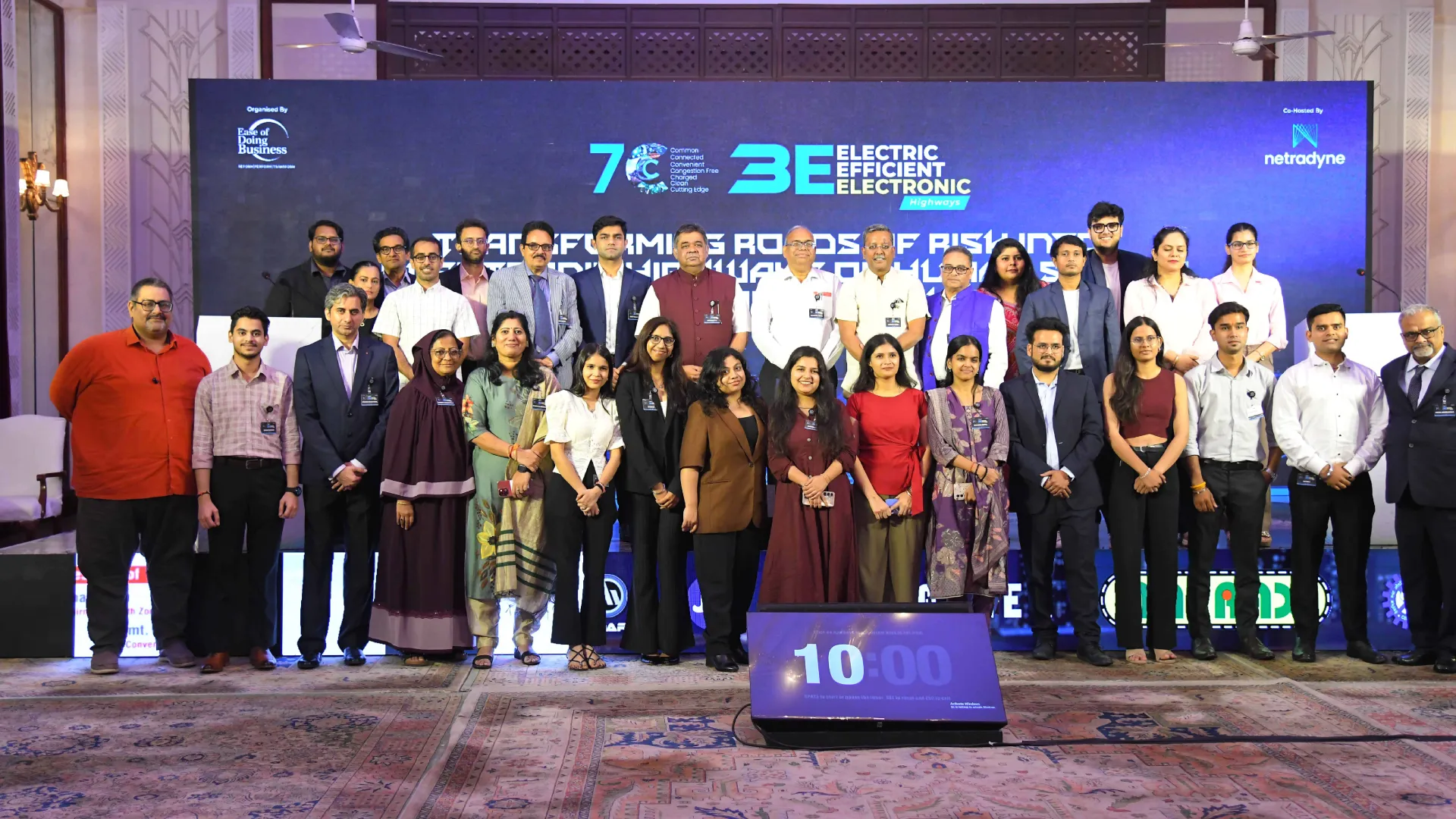
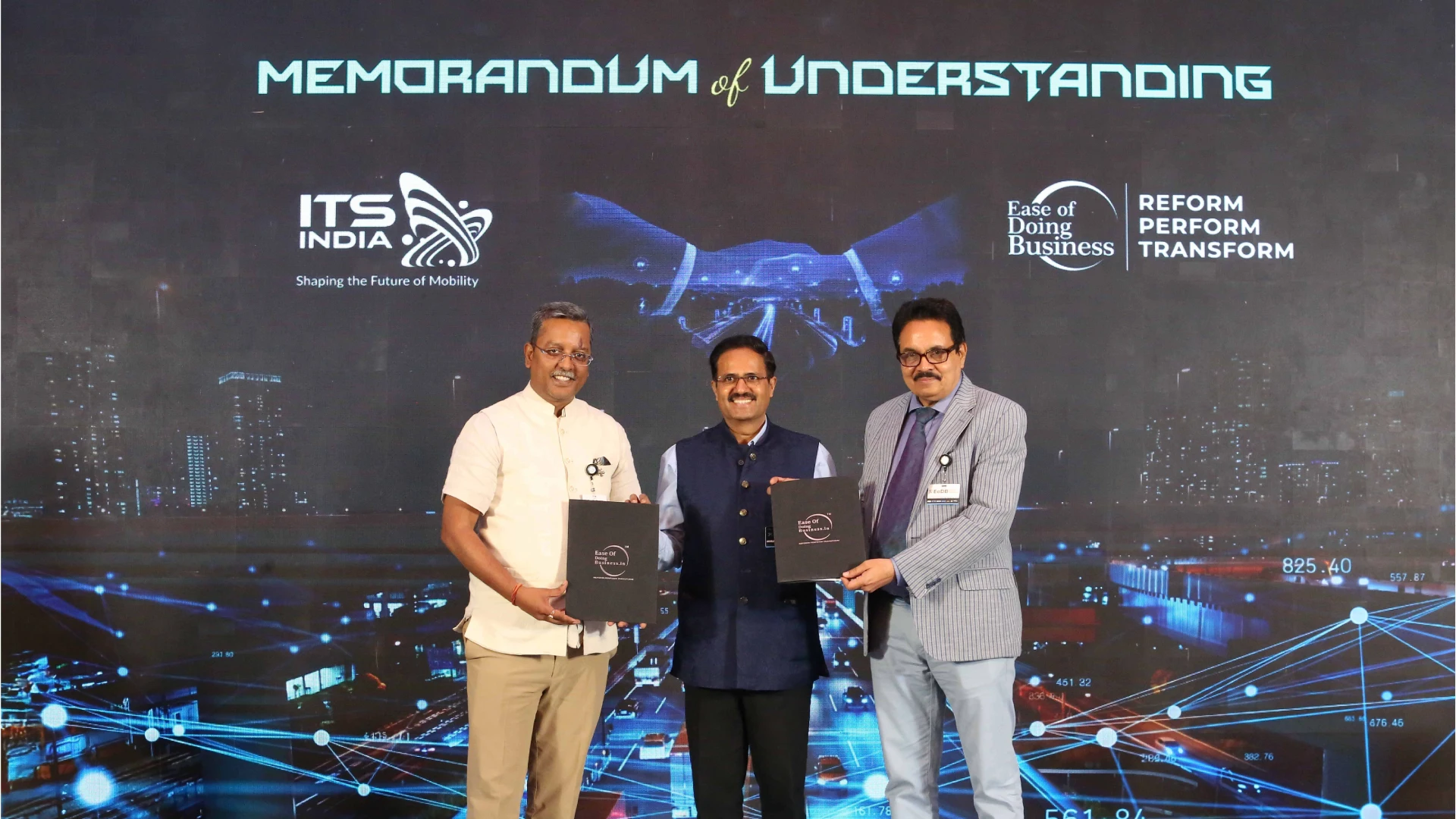
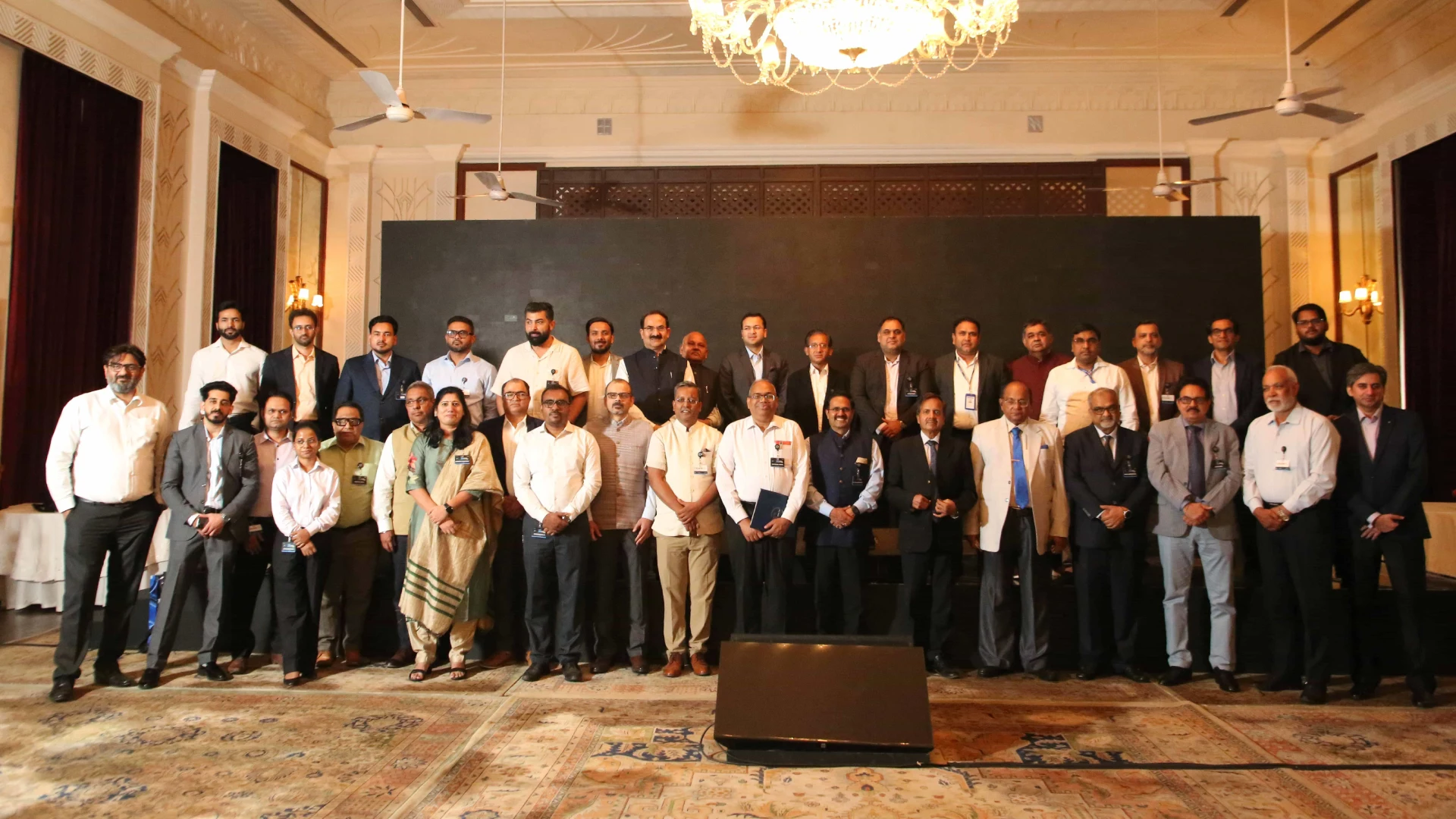
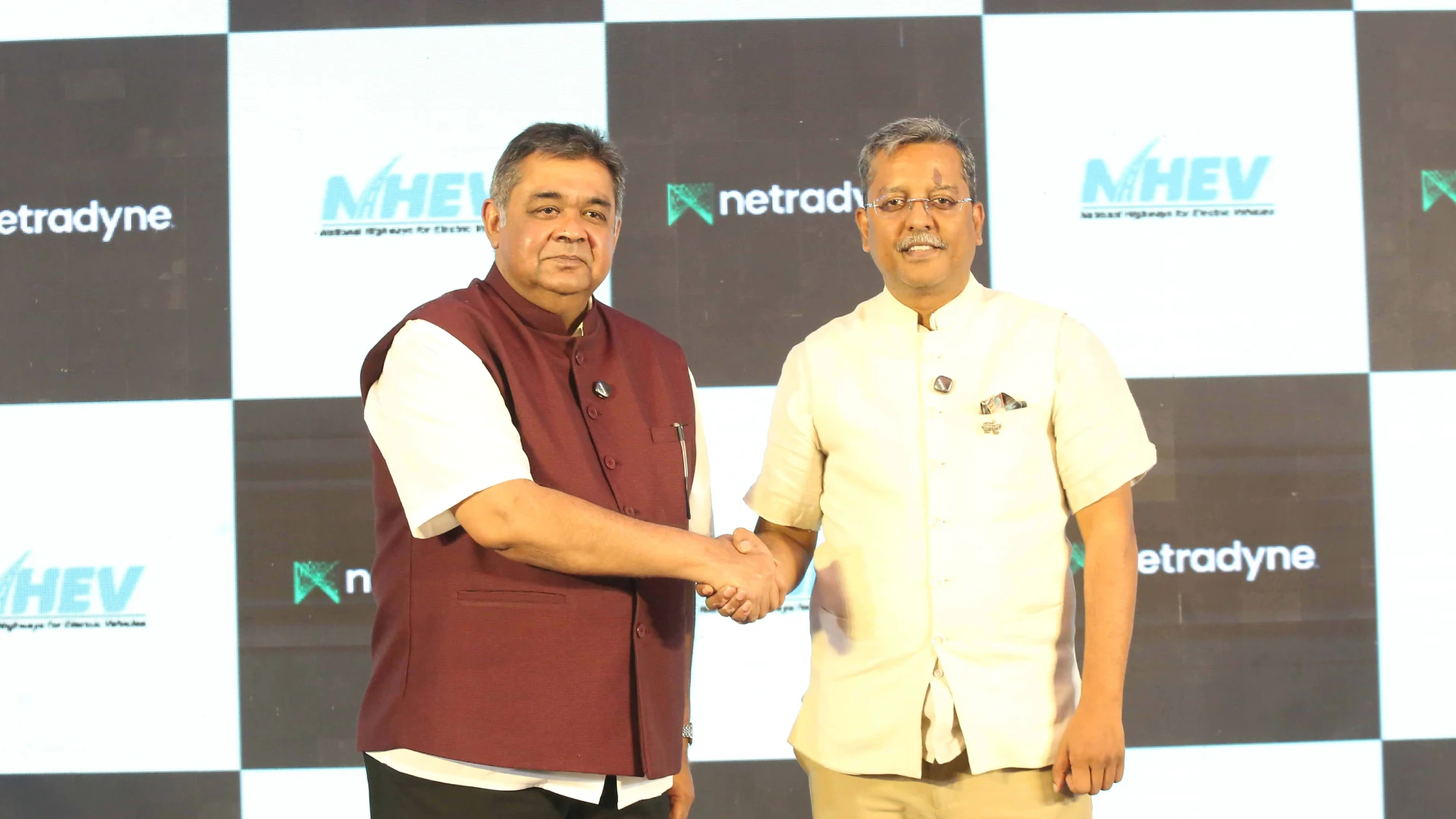
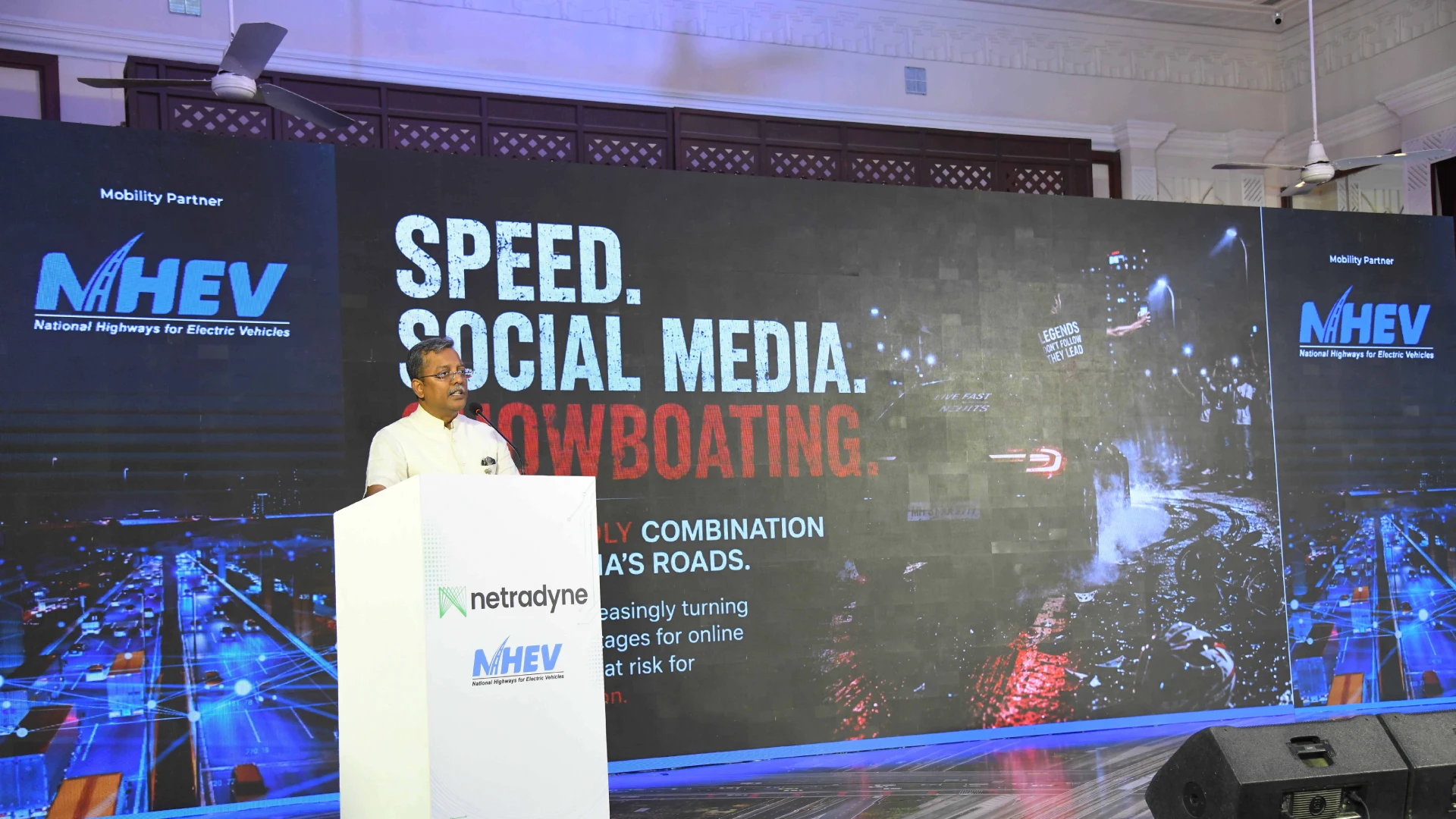
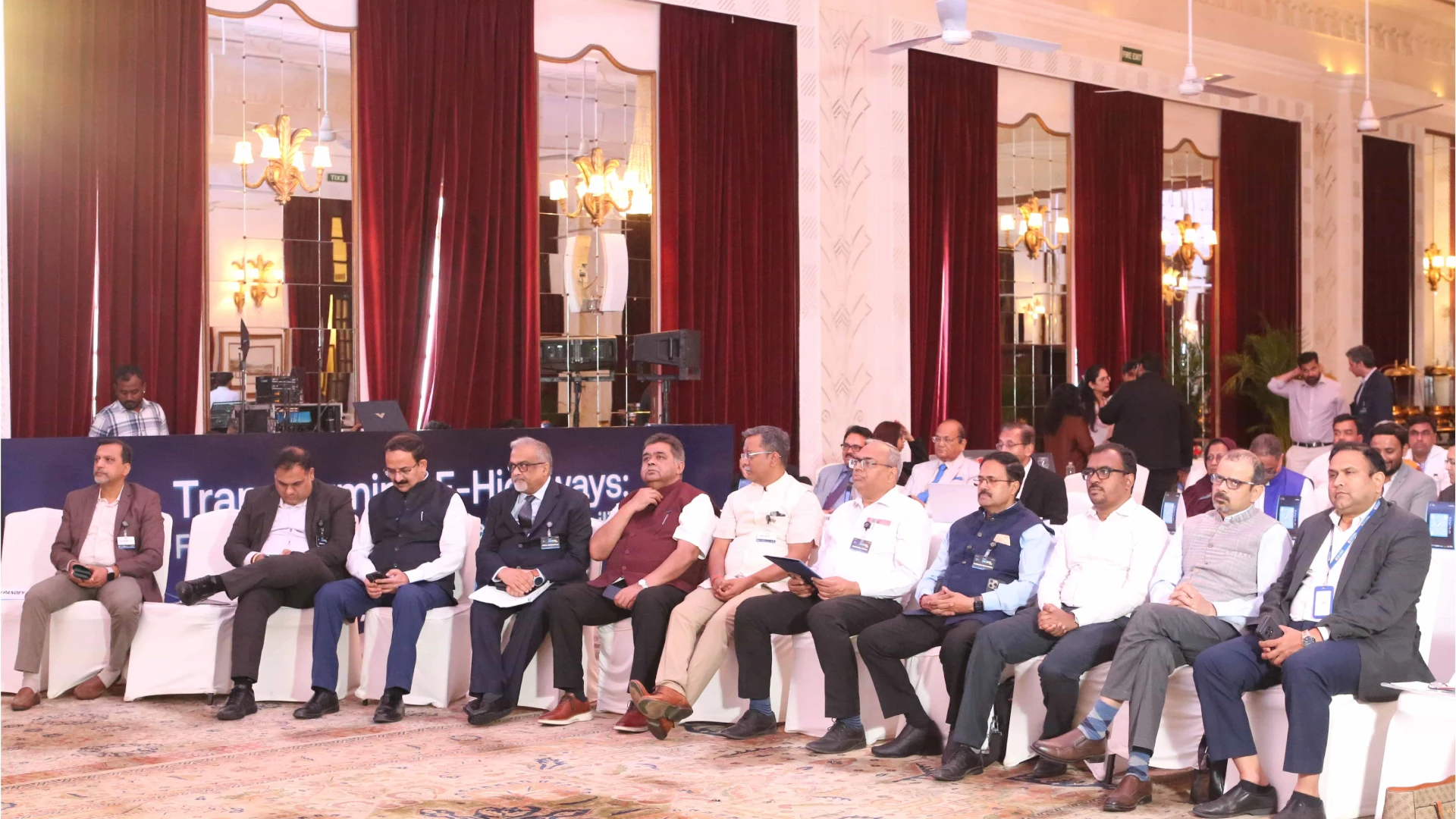
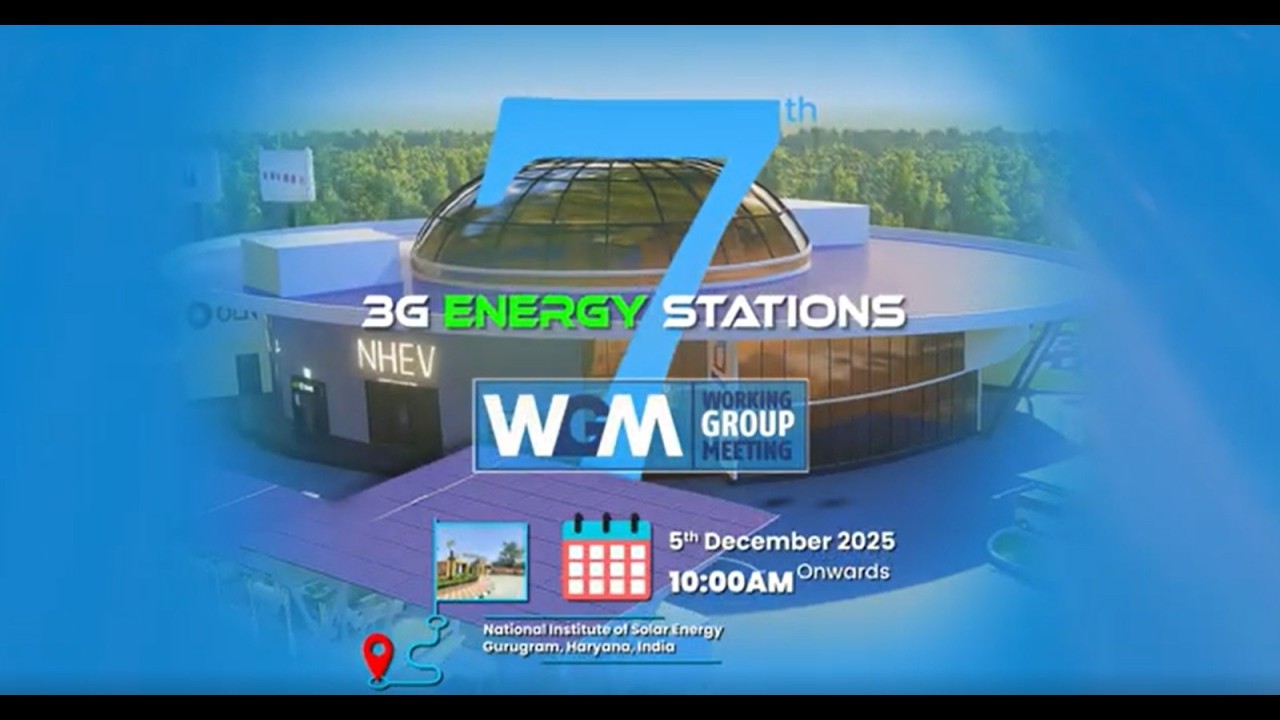
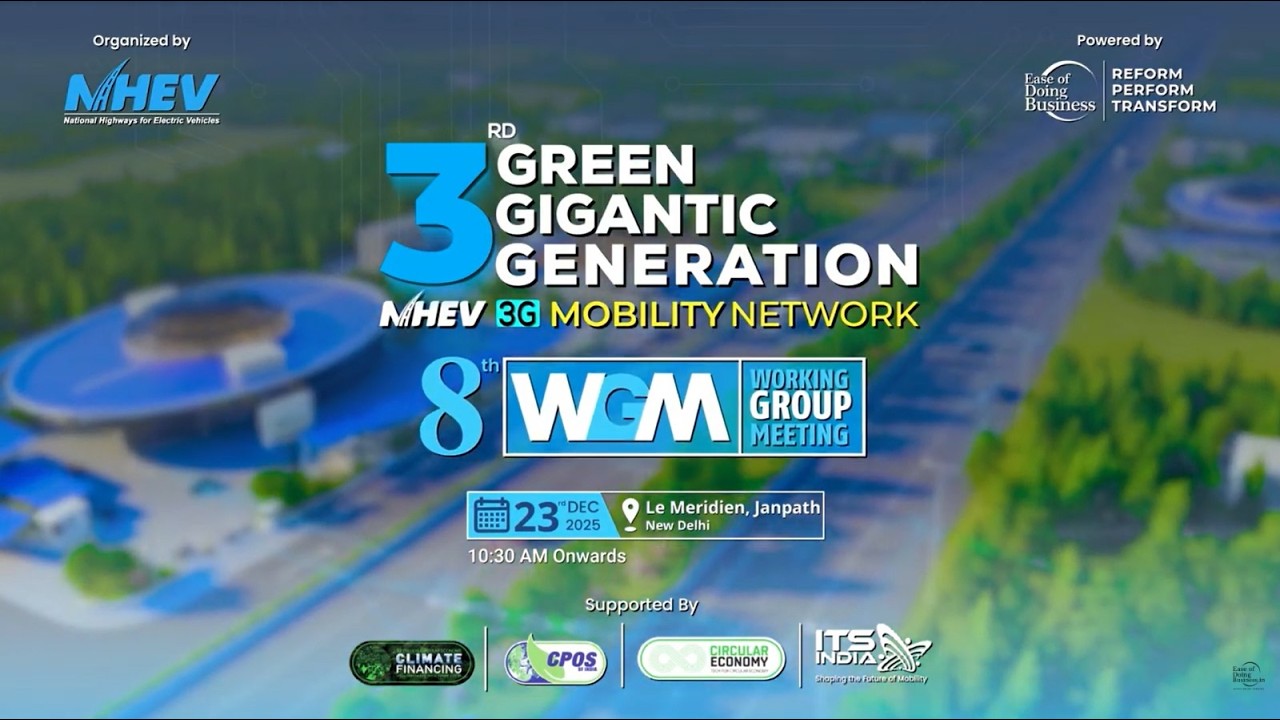
Hosted at Le Meridien, New Delhi, focused on unified CCV protocol for 3G mobility networks, streamlining vehicle-charging-energy coordination. Read More
Discussed fleet operations, climate financing, and tech trial runs for multi-modal EV connectivity. Read More
Emphasized solar infrastructure and renewable energy integration for charging stations. Read More
Covered NHEV expansion, report tabling, and editions on station electrification, steel structures, network operations, fleet operators, budgets, and solar infrastructure. Read More
Held at Shangri-La, New Delhi, centered on battery swapping and charging infrastructure advancements. Read More
Focused on battery swapping standards and prototype deployments in Delhi-NCR, building on policy discussions with Niti Aayog. Read More
Closed-door session chaired by Niti Aayog's Sudhendu Sinha, discussing battery failure issues and early EV policy pilots. Read More
National Program Director — Ease of Doing Business
Program Director – National Highways for EV (NHEV)
Emeritus President- Charge Point Operators Society of India
National Program Director — Ease of Doing Business
Program Director – National Highways for EV (NHEV)
Emeritus President- Charge Point Operators Society of India
Chairman & Managing Director, BECIL
Professional Biography
Chairman & Managing Director, BECIL
Professional Biography

Co-Founder & CEO, Sheru
Member of NHEV Knowledge Group
Co-Founder & CEO, Sheru
Member of NHEV Knowledge Group
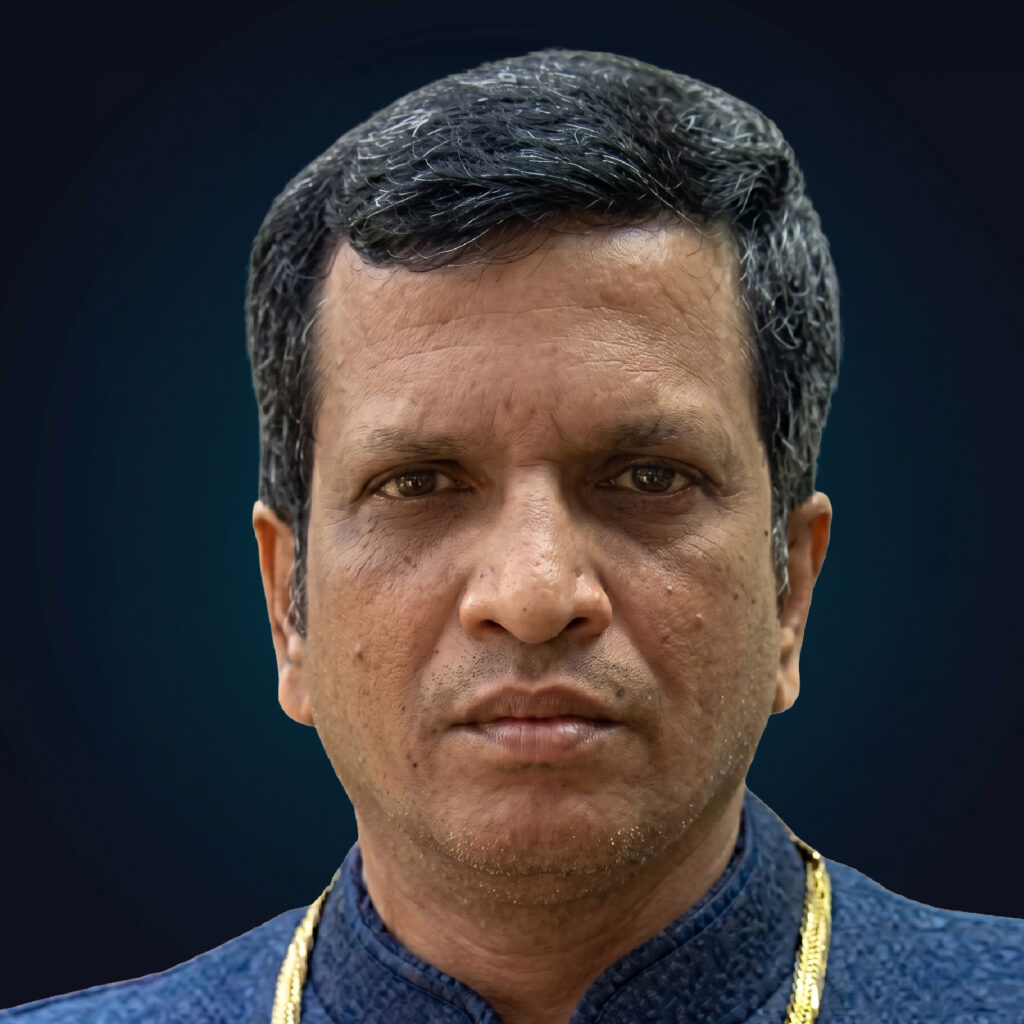
Professor (HAG), Electrical Engineering, IIT Delhi
Professor (HAG), Electrical Engineering, IIT Delhi

Member of NHEV Knowledge Group | Managing Director, Alektrify Private Limited
Member of NHEV Knowledge Group | Managing Director, Alektrify Private Limited
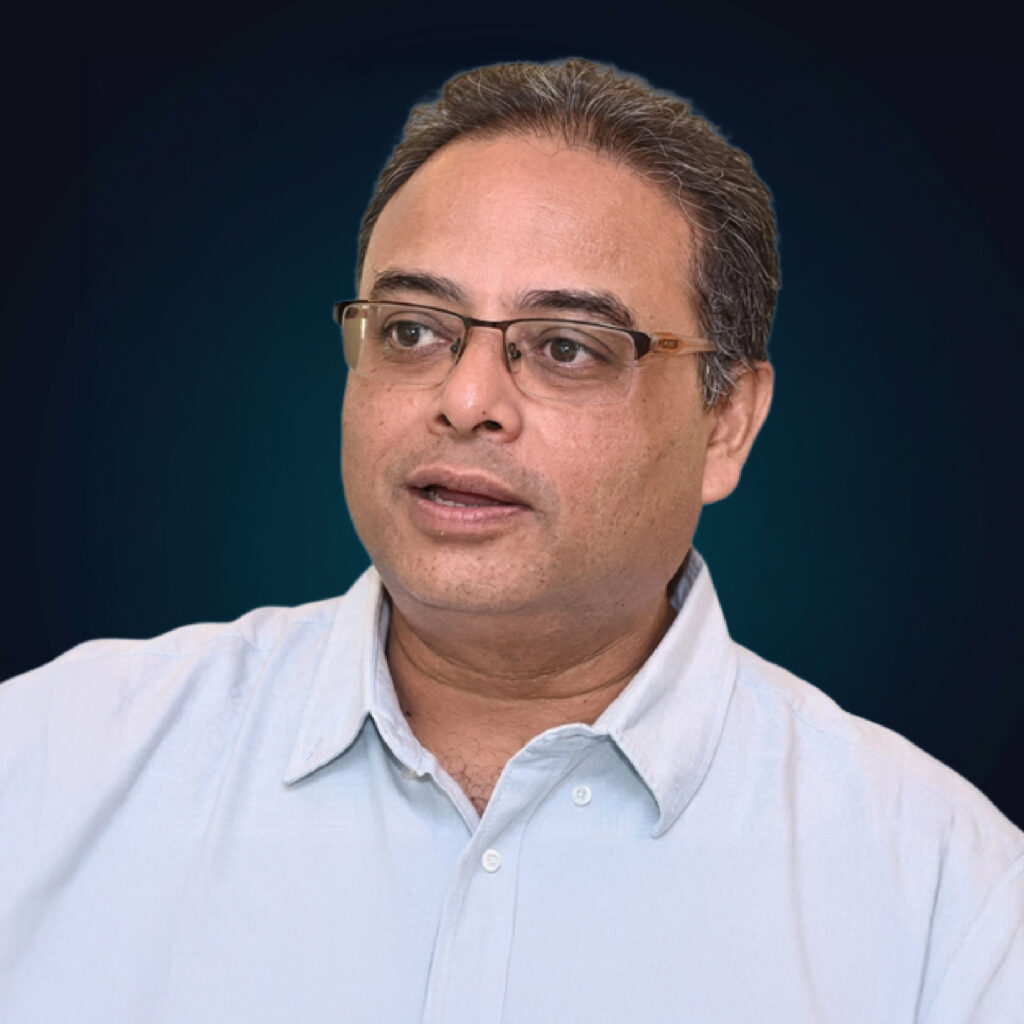
Member of NHEV Knowledge Group | Head of Growth IET India
Member of NHEV Knowledge Group | Head of Growth IET India
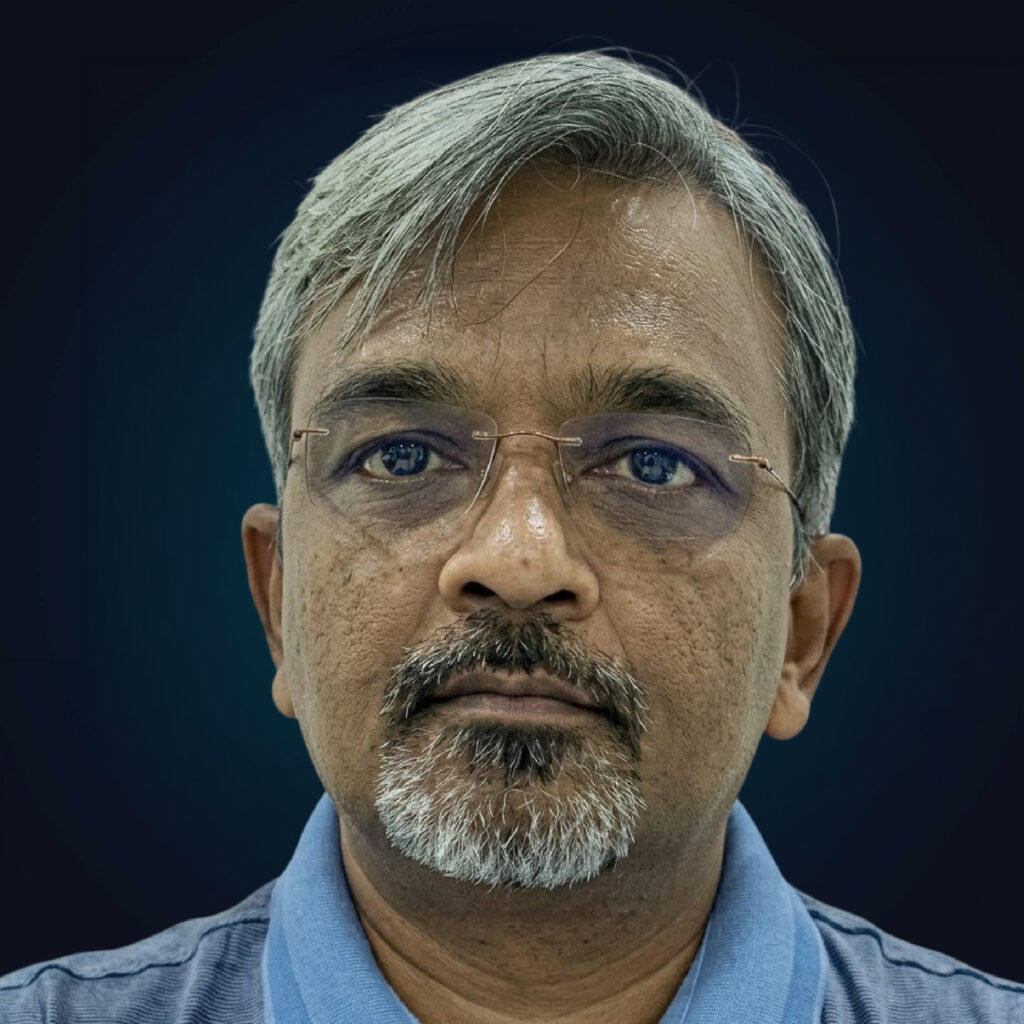
Board Member – CPOS India
Co-Founder – Emuron Technologies Pvt. Ltd.
Board Member – CPOS India
Co-Founder – Emuron Technologies Pvt. Ltd.
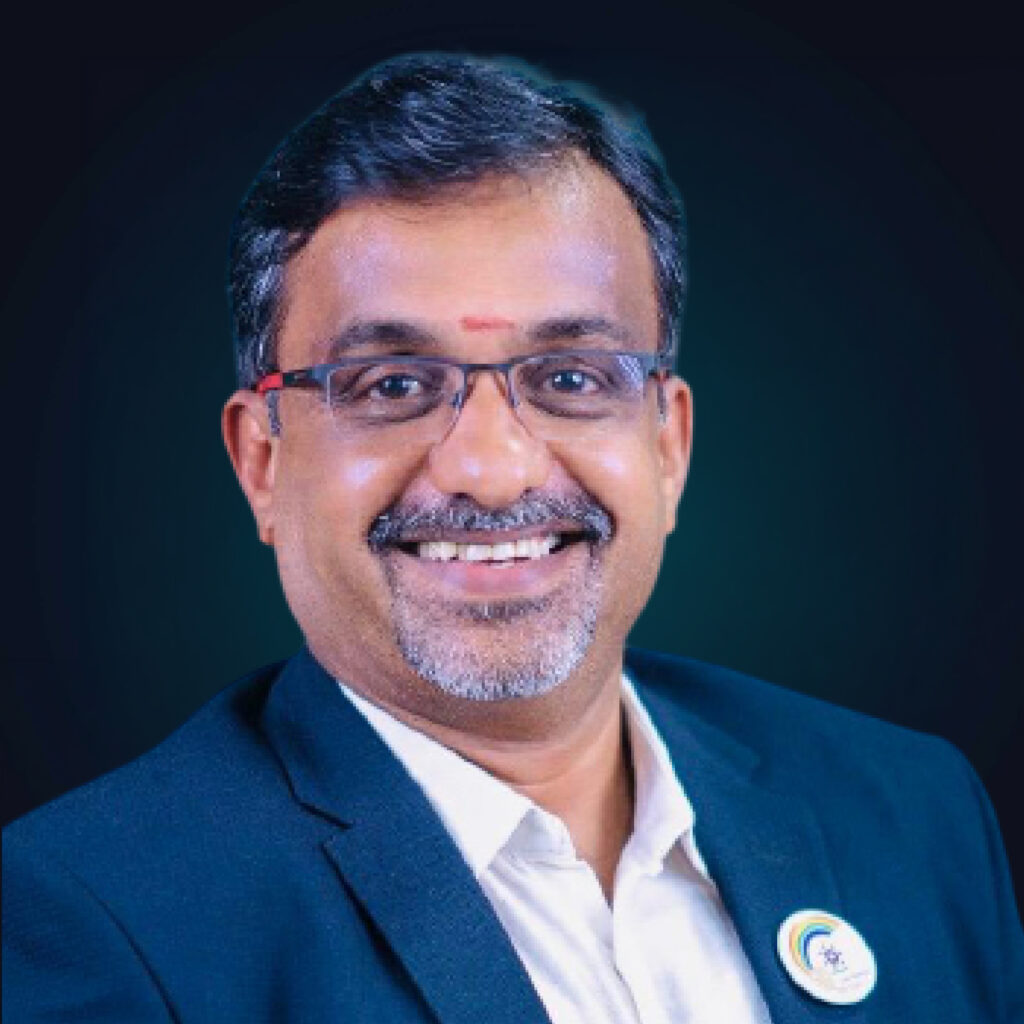
CEO, Turiya EV Charge Partners
CEO, Turiya EV Charge Partners

Chief Marketing Officer – JoulePoint
Chief Marketing Officer – JoulePoint

Chief Technology Officer- Yulu Bikes
Chief Technology Officer- Yulu Bikes

Country General Manager – UNL Global India Pvt. Ltd.
Country General Manager – UNL Global India Pvt. Ltd.

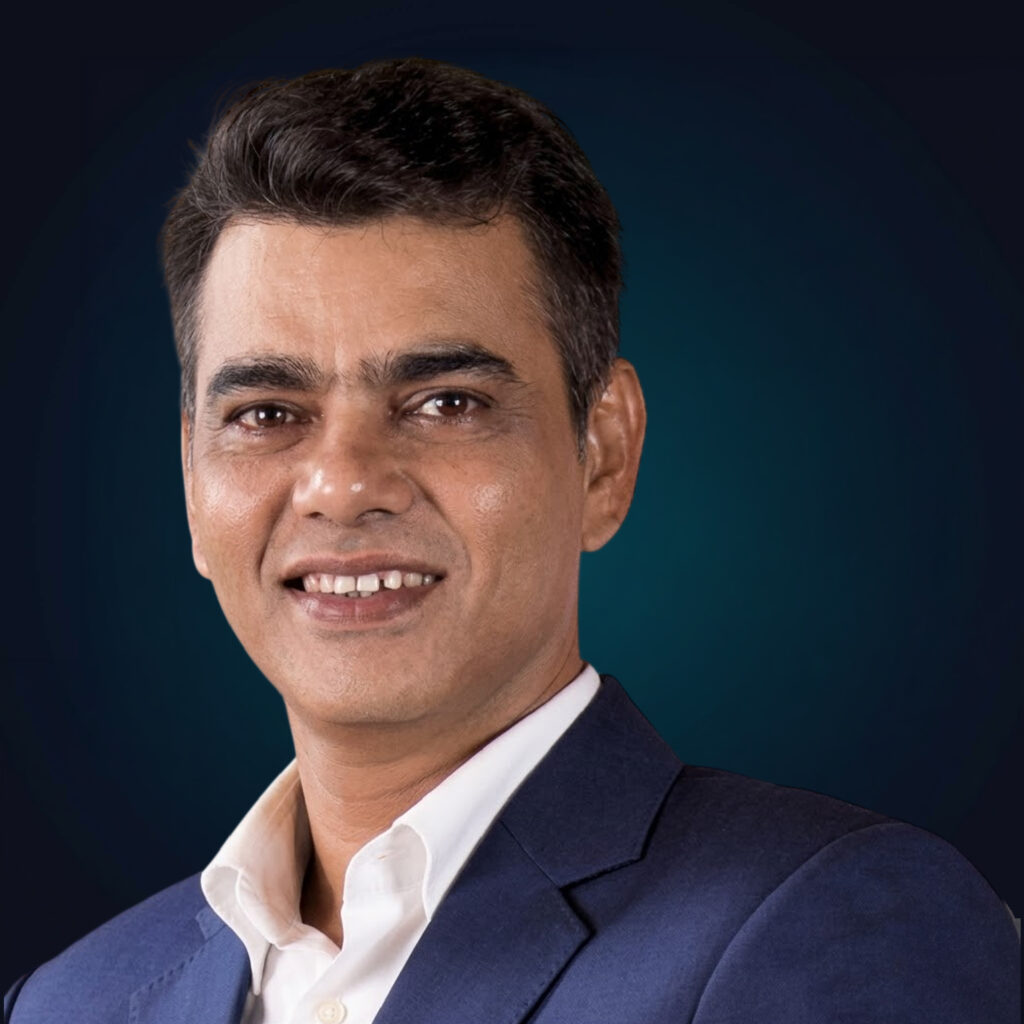
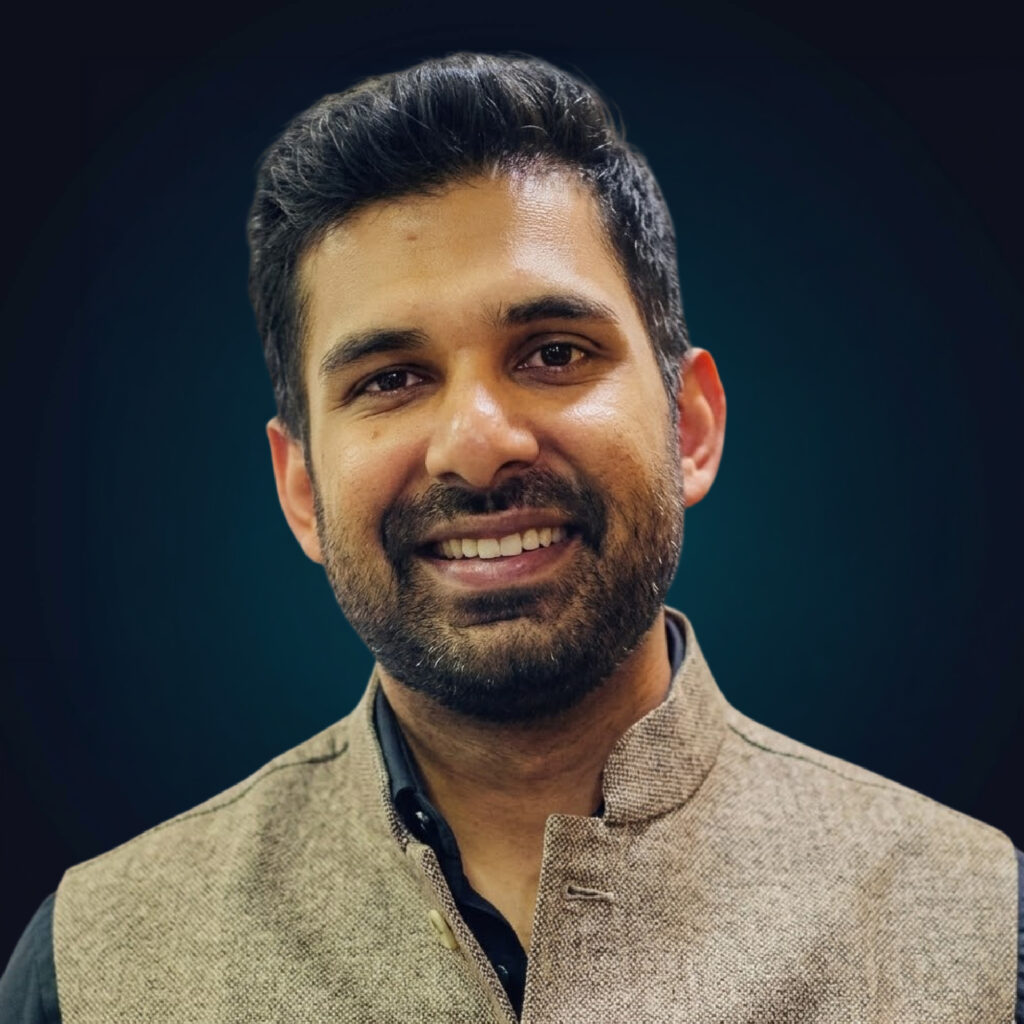
Member of NHEV Knowledge Group | Founder & Managing Director, Staunch Eventz
Member of NHEV Knowledge Group | Founder & Managing Director, Staunch Eventz


Partner – Enterprise Strategy, Baker Tilly ASA India
Partner – Enterprise Strategy, Baker Tilly ASA India

Member – NHEV Working Group
Director – 108 Horizons
Member – NHEV Working Group
Director – 108 Horizons

Co-Founder & Director – Alektrify Pvt. Ltd.
Co-Founder & Director – Alektrify Pvt. Ltd.
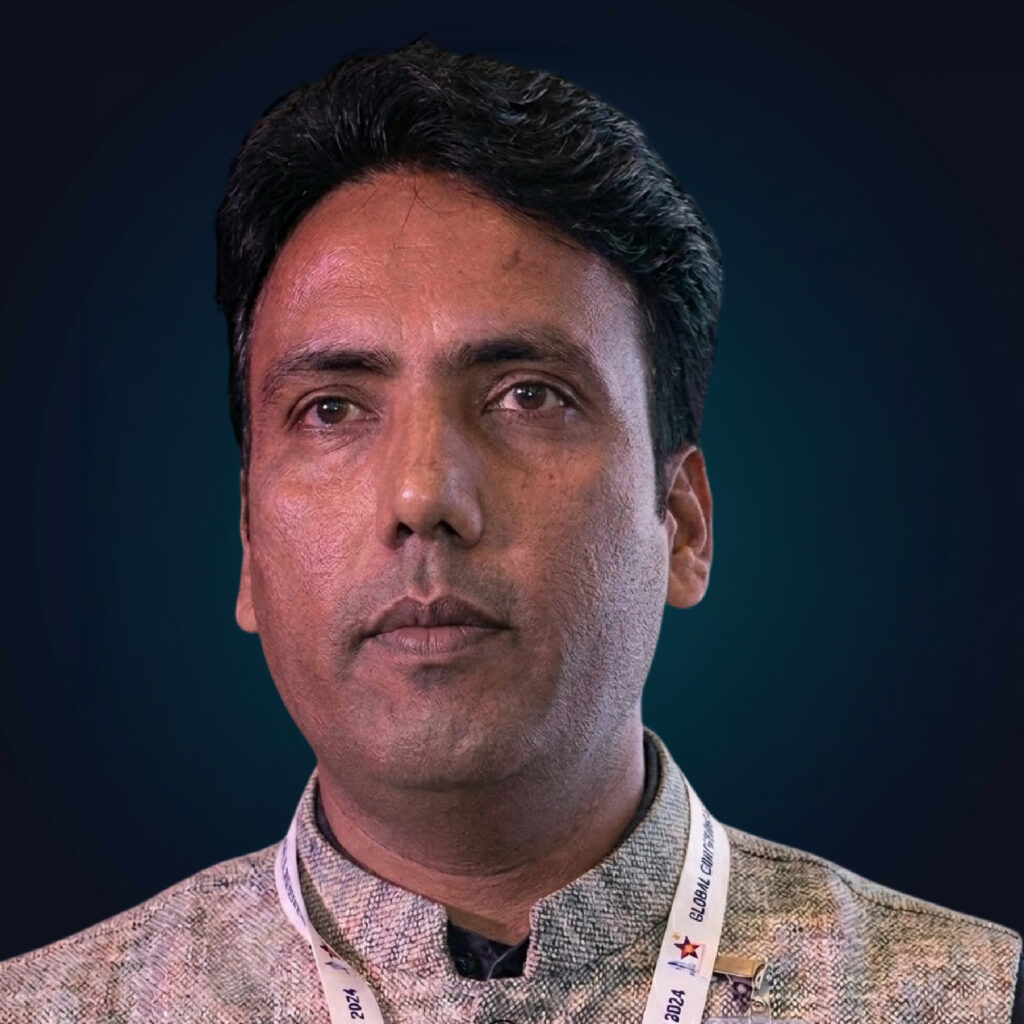


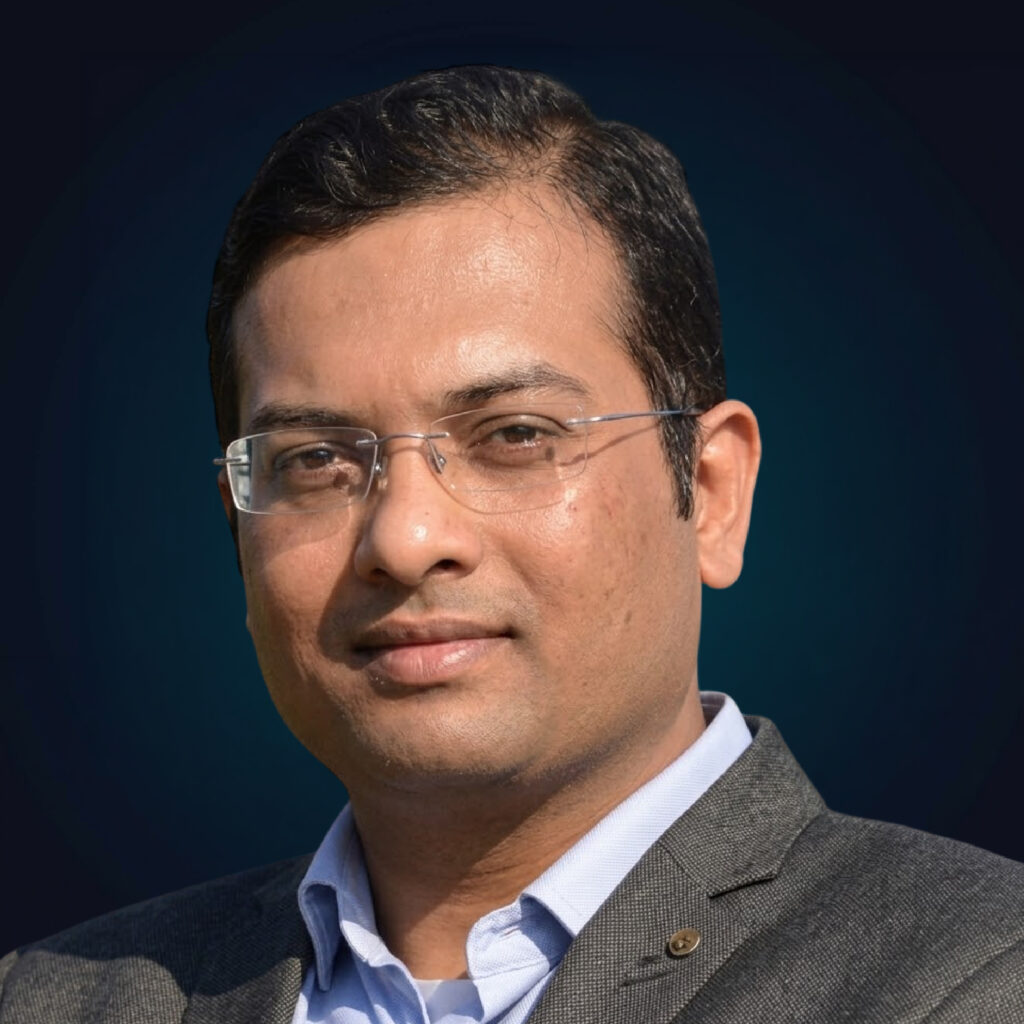
Co-Founder & Chief Executive Officer – GoEgoNetwork
Co-Founder & Chief Executive Officer – GoEgoNetwork

Co-Founder – Gravitas AI, UK | Chairman – AI Council, JSDC, ASSOCHAM | Founder – AyushmanHealth, India
Co-Founder – Gravitas AI, UK | Chairman – AI Council, JSDC, ASSOCHAM | Founder – AyushmanHealth, India

Chief Executive Officer – Shuchi Anant Virya Private Limited
Chief Executive Officer – Shuchi Anant Virya Private Limited

Founder, P2 Power Solutions Pvt. Ltd.
Founder, P2 Power Solutions Pvt. Ltd.
Member of NHEV Knowledge Group | Director, Environmental Resources Foundation (ERF)
Member of NHEV Knowledge Group | Director, Environmental Resources Foundation (ERF)

Managing Director, Vaultus Green Funding | Founder, Vaultus
Managing Director, Vaultus Green Funding | Founder, Vaultus

Founder & CEO – Net-Zer0 Tech | Board Member – Charge Point Operators Society of India
Founder & CEO – Net-Zer0 Tech | Board Member – Charge Point Operators Society of India
Co-Founder & Director, AmpVolts
Co-Founder & Director, AmpVolts

Project Director, NHEV Greenways
Project Director, NHEV Greenways
Vision For Developed India

Modern Economic Governance Framework

National Electric Mobility Highways

Unmanned Aerial Applications

Unified Mobility Payment Platform
Digital Frontline Service Delivery

Citizen-First Urban Quality Metric
Global Multimodal Trade Corridor
These initiatives serve as strategic blueprints for national progress, bridging the gap between innovative policy and large-scale execution. By fostering cross-sector synergy, they provide the empirical foundation necessary to build a resilient and developed India.
Viksit Bharat National Master Plan brings together infrastructure planning, mobility systems, energy transition, and digital governance into a unified national framework. It enables coordinated execution across ministries, states, and institutions, ensuring alignment between long-term vision and on-ground implementation.
The plan focuses on data-led decision-making, interoperability between public systems, and phased development models. By integrating policy intent with execution readiness, it supports sustainable growth, regional balance, and resilient national infrastructure outcomes. Read More
A contemporary policy and economic framework inspired by India’s strategic traditions, reimagined for modern governance, fiscal resilience, and global competitiveness. It blends institutional reform with data-backed policy design to address emerging economic and geopolitical realities.
Focus areas include strategic resource allocation, regulatory simplification, outcome-based governance, and adaptive economic planning. The framework supports informed decision-making, long-term stability, and sustainable national growth. Read More

The National Highways for Electric Vehicles initiative pilots integrated electric mobility corridors across key transport routes. It enables coordinated deployment of charging infrastructure, fleet electrification, and digital mobility services.
Designed as a scalable model, NHEV supports interoperability, operational efficiency, and accelerated EV adoption across commercial and public transport systems. Read More
The Drone Pilot program evaluates the use of unmanned aerial systems across logistics, mapping, surveillance, and emergency response applications. It enables controlled testing within defined regulatory and operational frameworks.
Insights from the pilot inform airspace management, safety protocols, and scalable deployment strategies for civilian and strategic use cases. Read More
CPOS India is a national industry-led platform representing charge point operators across India’s electric mobility ecosystem. It works to standardise practices, enable coordination among operators, and support policy frameworks that accelerate EV charging infrastructure deployment.
The initiative focuses on interoperability, grid integration, pricing transparency, and operational best practices. By serving as a collective voice for charge point operators, CPOS India strengthens ecosystem alignment between industry, regulators, utilities, and mobility stakeholders. Read More
DIISHA is a digital healthtech initiative designed to strengthen frontline healthcare delivery through technology-enabled interventions. It focuses on improving coordination, monitoring, and decision support across community health workers and public health systems.
By integrating digital tools into everyday healthcare workflows, DIISHA enhances service continuity, data visibility, and last-mile healthcare outcomes. The initiative supports sustainable, scalable, and inclusive health system strengthening. Read More
Ease of Living – Indian Origin is a nationally contextualised framework developed to assess quality of life across Indian cities and regions. It captures local realities by measuring access to services, mobility, housing, environment, and governance effectiveness.
Designed to support evidence-based urban planning, the framework enables comparative benchmarking while remaining sensitive to India’s social, economic, and regional diversity. It informs policy decisions aimed at improving everyday citizen experiences. Read More
The India Middle-East Europe Corridor is a strategic multimodal connectivity initiative aimed at enhancing trade, logistics, energy, and digital linkages between India and global markets. It integrates ports, rail networks, energy infrastructure, and digital systems into a resilient transnational corridor.
The corridor strengthens supply chain resilience, reduces transit time, and enhances economic cooperation across regions. It represents a long-term strategic effort to position India as a central node in global trade and connectivity networks. Read More
Ease of Living – Indian Origin is a nationally contextualized framework designed to assess and improve quality of life across Indian cities and regions. It reflects India’s social, economic, and spatial realities while providing structured and comparable insights to support policy formulation and urban planning.
The framework enables evidence-based decision-making through benchmarking, progress tracking, and targeted interventions. Built for scalability and adaptability, it supports continuous improvement, inclusive growth, and long-term livability aligned with evolving urban and national priorities.

Ease of Moving under National Highways for Electric Vehicles focuses on how seamless, predictable, and stress-free a highway journey feels for drivers and fleet operators. It goes beyond road quality or vehicle performance to capture the real experience of moving across long distances without uncertainty, delays, or range anxiety.
By integrating energy availability, charging reliability, safety systems, real-time information, and responsive support services, Ease of Moving ensures that electric mobility on highways is not just possible, but dependable. The objective is to reduce friction at every stage of the journey and allow drivers to focus on movement, not management. Read More
The Driving Score converts Ease of Moving into a measurable, real-world indicator for National Highways for Electric Vehicles (NHEV). It reflects how seamlessly, safely, and reliably an EV journey unfolds across corridors—capturing the driver’s lived experience of movement, continuity, and confidence rather than focusing only on physical infrastructure.
By integrating corridor readiness, charging reliability, driving behavior, and response systems, the Driving Score enables a continuous performance loop across vehicles, highways, and energy networks. This helps operators and decision-makers identify bottlenecks, strengthen corridor performance, and steadily enhance the quality of movement across NHEV routes.
The ITS pilot initiative by NHEV deploys Intelligent Transportation Systems on key electric highway corridors in India to optimize EV mobility. Core elements include Connected Commercial Vehicle (CCV) protocols and Intelligent Transport Management Systems (ITMS), tested via IoT, AI, and geofencing on routes like Delhi-Jaipur and Chennai-Trichy for real-time traffic, charging, and safety management.
These pilots, spanning Tech Trials I-IV, validate data interoperability between vehicles, chargers, and roadside units to ensure seamless operations. They pave the way for nationwide rollout across 5,500 km of e-highways under the AHEM model, prioritizing predictive analytics and fleet efficiency.

Electric Road System (ERS) under NHEV - National Highways for Electric Vehicles is a next-generation electric mobility framework enabling seamless and sustainable EV movement across national highways and urban corridors. Integrated with the NHEV ecosystem, ERS combines electrified infrastructure, smart energy systems, charging networks, renewable energy integration, and digital mobility services to support zero-emission freight, public transport, and commercial mobility operations.
Supported by financing models such as Hybrid PPP, AHEM, blended finance, viability gap funding, and long-term annuity frameworks, ERS aims to create a scalable, bankable, and interoperable mobility model that accelerates India’s transition toward clean and efficient transportation corridors.

IMEC, the India-Middle East-Europe Economic Corridor, is a strategic infrastructure project connecting India to Europe via the Gulf through rail, road, shipping, energy pipelines, and data cables. Launched via MoU at the 2023 G20 Summit with partners like the US, EU, UAE, Saudi Arabia, France, Germany, and Italy, it splits into an Eastern Corridor (India-Gulf) and Northern Corridor (Gulf-Europe) to cut logistics costs by up to 30% and transit times by 40%.
The corridor boosts trade, energy security, and digital links while countering rivals like China's BRI, integrating hydrogen pipelines for green goals. Despite geopolitical hurdles like regional conflicts, it advances multimodal connectivity from Indian ports through UAE/Saudi hubs to Greece, fostering economic integration across continents.

Mobility PoupLorem Ipsum is simply dummy text of the printing and typesetting industry. Lorem Ipsum has been the industry's standard dummy text ever since the 1500s, when an unknown printer took a galley of type and scrambled it to make a type specimen book. It has survived not only five centuries, but also the leap into electronic typesetting, remaining essentially unchanged. |

Mobility PoupLorem Ipsum is simply dummy text of the printing and typesetting industry. Lorem Ipsum has been the industry's standard dummy text ever since the 1500s, when an unknown printer took a galley of type and scrambled it to make a type specimen book. It has survived not only five centuries, but also the leap into electronic typesetting, remaining essentially unchanged. |

Mobility PoupLorem Ipsum is simply dummy text of the printing and typesetting industry. Lorem Ipsum has been the industry's standard dummy text ever since the 1500s, when an unknown printer took a galley of type and scrambled it to make a type specimen book. It has survived not only five centuries, but also the leap into electronic typesetting, remaining essentially unchanged. |
Mobility PoupLorem Ipsum is simply dummy text of the printing and typesetting industry. Lorem Ipsum has been the industry's standard dummy text ever since the 1500s, when an unknown printer took a galley of type and scrambled it to make a type specimen book. It has survived not only five centuries, but also the leap into electronic typesetting, remaining essentially unchanged. |
Mobility PoupLorem Ipsum is simply dummy text of the printing and typesetting industry. Lorem Ipsum has been the industry's standard dummy text ever since the 1500s, when an unknown printer took a galley of type and scrambled it to make a type specimen book. It has survived not only five centuries, but also the leap into electronic typesetting, remaining essentially unchanged. |

Mobility PoupLorem Ipsum is simply dummy text of the printing and typesetting industry. Lorem Ipsum has been the industry's standard dummy text ever since the 1500s, when an unknown printer took a galley of type and scrambled it to make a type specimen book. It has survived not only five centuries, but also the leap into electronic typesetting, remaining essentially unchanged. |
Mobility PoupLorem Ipsum is simply dumy text of the printing and typesetting industry. Lorem Ipsum has been the industry's standard dummy text ever since the 1500s, when an unknown printer took a galley of type and scrambled it to make a type specimen book. It has survived not only five centuries, but also the leap into electronic typesetting, remaining essentially unchanged. |
Mobility PoupLorem Ipsum is simply dummy text of the printing and typesetting industry. Lorem Ipsum has been the industry's standard dummy text ever since the 1500s, when an unknown printer took a galley of type and scrambled it to make a type specimen book. It has survived not only five centuries, but also the leap into electronic typesetting, remaining essentially unchanged. |
Cultural Economy refers to the economic value generated by cultural assets, creative industries, heritage, and knowledge systems that shape a society’s identity and social fabric. It encompasses sectors such as art, design, media, music, film, crafts, fashion, architecture, heritage tourism, digital content, and indigenous knowledge, while also integrating innovation, technology, and entrepreneurship. By transforming creativity and cultural capital into livelihoods, jobs, and scalable enterprises, the cultural economy plays a critical role in inclusive growth, urban regeneration, and sustainable development—strengthening both economic resilience and soft power in an increasingly globalised world.

Circular Economy is a nationally contextualized framework focused on promoting resource efficiency, sustainable production, and responsible consumption across industries and urban ecosystems. It supports waste reduction, recycling, reuse, and circular innovation to strengthen India’s sustainable growth and environmental resilience aligned with the vision of Viksit Bharat.
Climate Financing is an Ease of Doing Business initiative under its ‘Tech for Circular Economy’ program for the Government of India, contributing towards building annual milestones of climate funds and green project financing disbursed every year, accumulating up to $2 trillion by 2030 to support India’s $10 trillion Green Economy ambition by 2070. It facilitates multiple green funding instruments that enable businesses to take boardroom decisions to decarbonize mobility, infrastructure, and power, while also providing provisions to reduce interest rates through sovereign green bonds and RBI initiatives that encourage banks to dispense green capital at lower costs. In addition, EoDB eases this mega transition through single-window clearances for constructions and permissions in association with local municipal and development authorities, ensuring speedy, time-bound clearances and map approvals for green projects. .
Instant visibility into climate finance flows, approvals, and green project progress — helping you track performance metrics and make funding decisions faster with clear, actionable data.

A simplified view of carbon performance and sustainability metrics that helps organizations track emissions, benchmark progress, and align actions with compliance and market expectations through clear, data-driven insights.

The EoDB Dashboard, available on the Department of Justice page, provides a real-time view of reform implementation, approvals, and performance metrics across departments and states. It enhances transparency and coordination by helping stakeholders track progress, identify bottlenecks, and assess outcomes through clear data and visual insights—enabling faster decisions, stronger accountability, and a more predictable regulatory environment for businesses.
Access official EoDB circulars, policy updates, technical guidelines, and operational advisories in one place. Stay informed about regulatory developments, implementation frameworks, ecosystem announcements, and key milestones. Browse, download, and stay aligned with the latest directives supporting seamless execution across stakeholders.
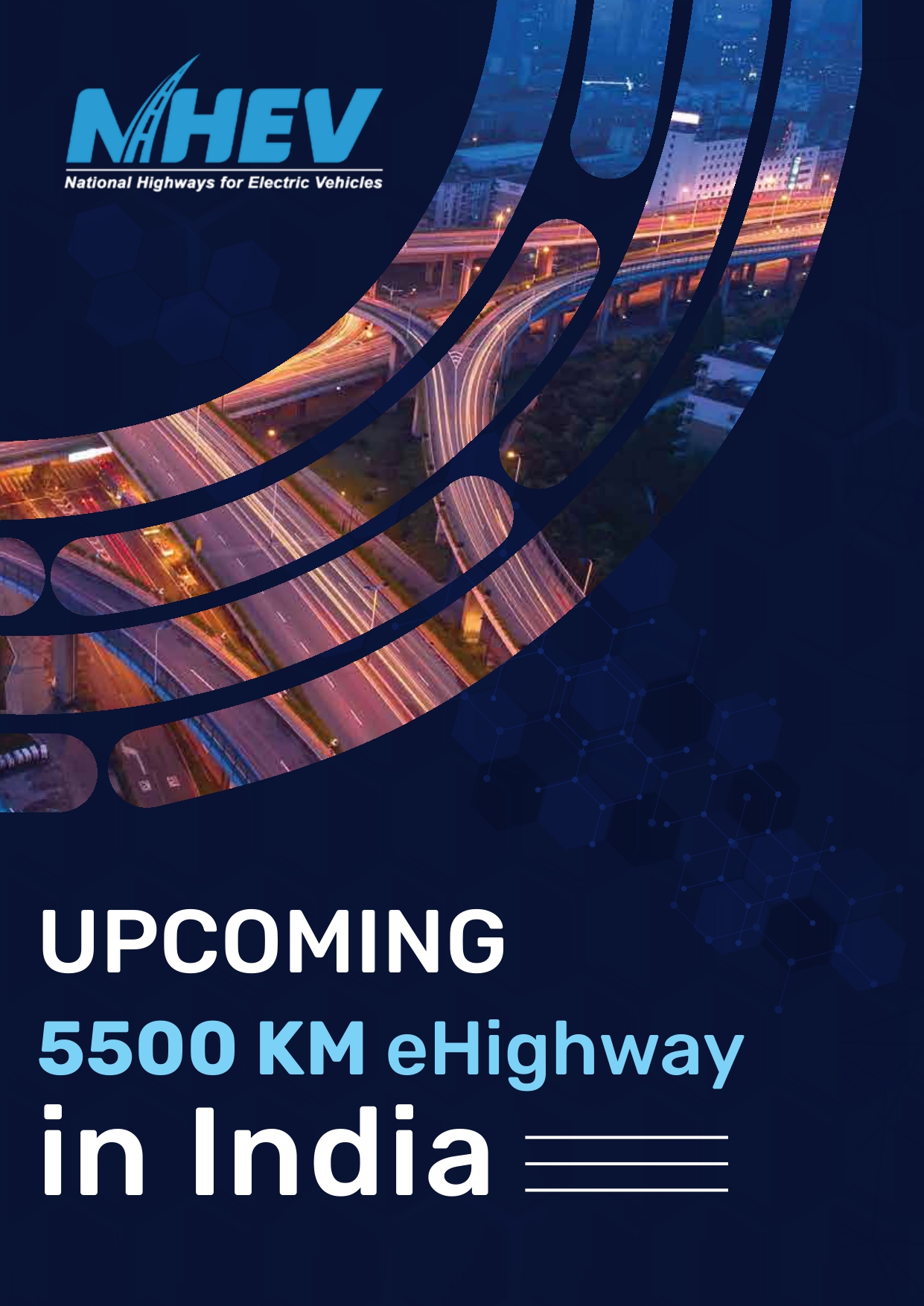
Strategic roadmap outlining corridor development, charging i...
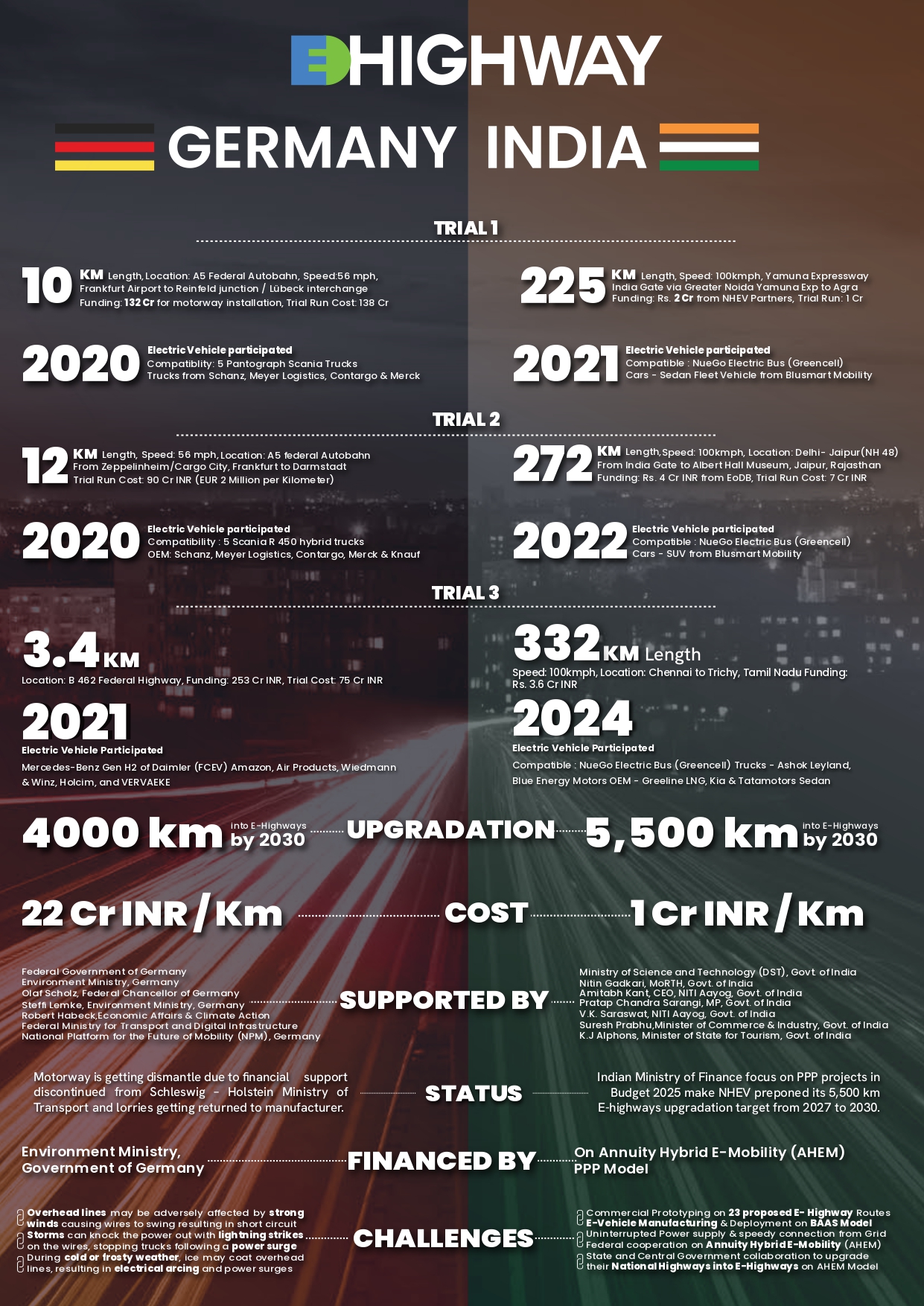
Key highlights, trial benchmarks, cost models, funding struc...
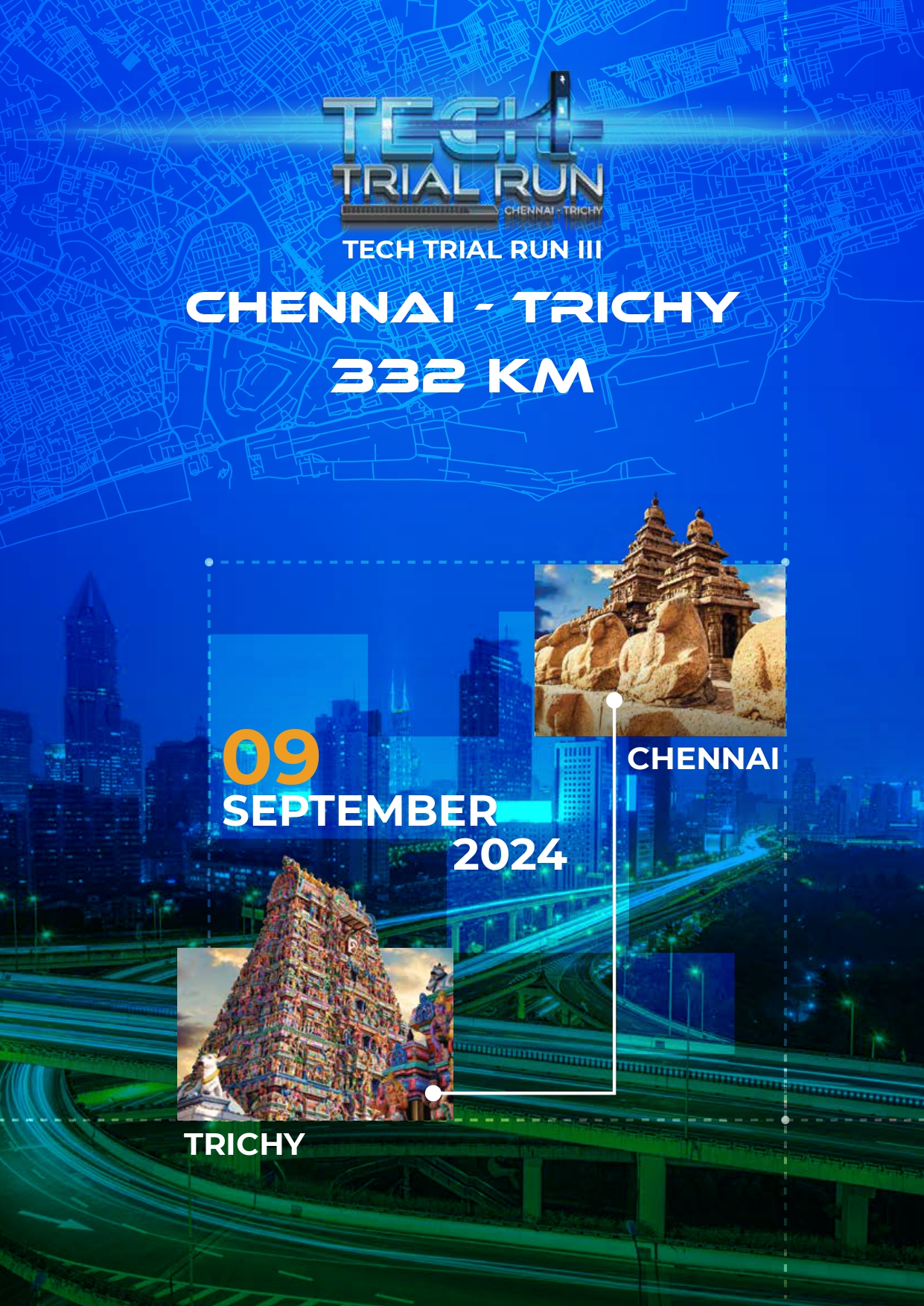
Operational report covering pilot outcomes, charging interva...
Explore official briefings, stakeholder discussions, and implementation updates under the Ease of Doing Business framework.
This section features key addresses, reform walkthroughs, dashboard demonstrations, and insights into regulatory improvements and digital governance initiatives—highlighting progress, transparency, and coordinated execution across departments and states.